Håkansböle past and present
Until 500 years ago, Håkansböle was just a small remote village surrounded by forests and fields. Over the centuries, the village grew into a large farm.
Manor’s history from the 1200s to the 2000s
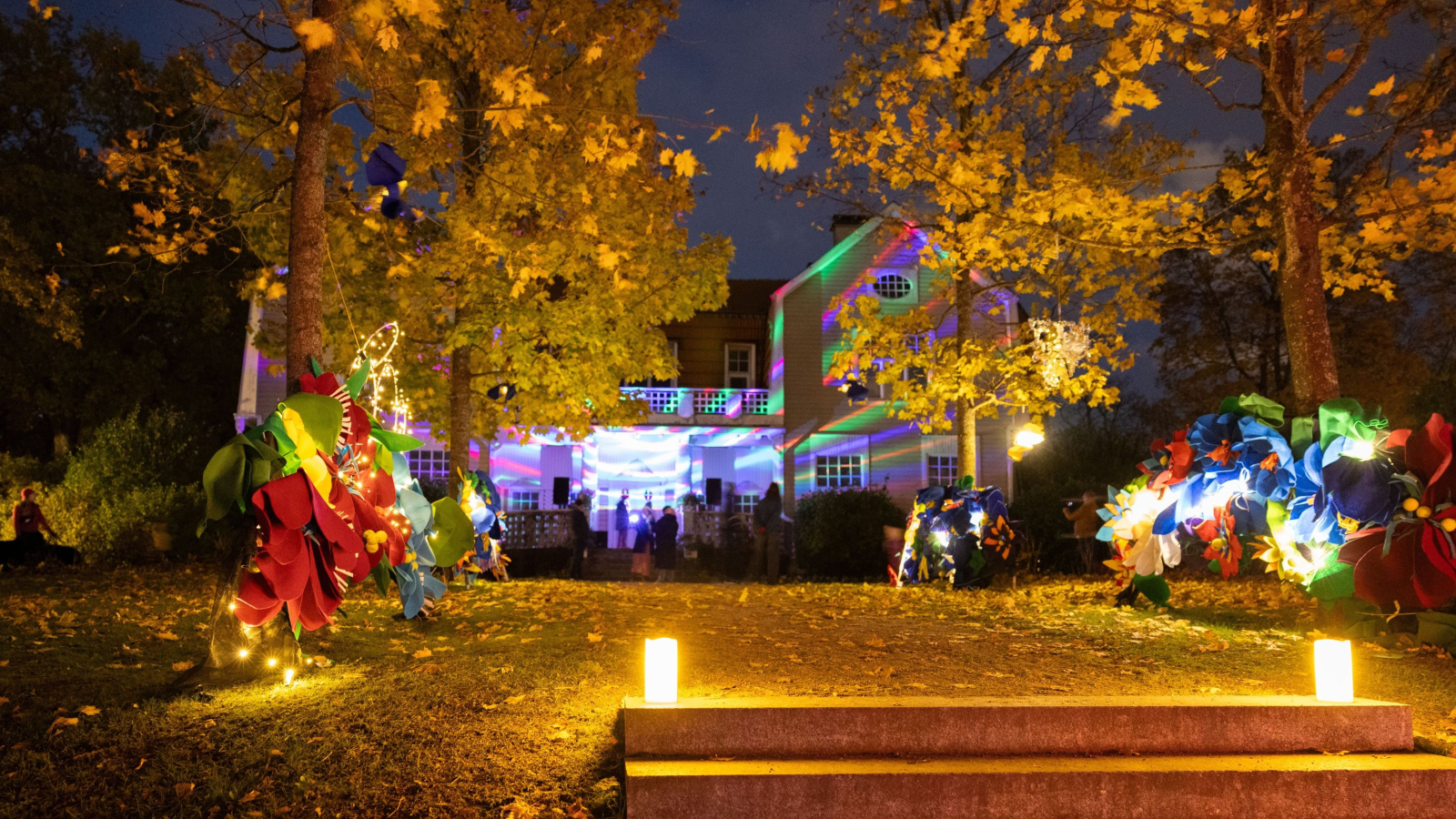
The history of Håkansböle involves cavalrymen, manor mistresses, factory owners, estate stewards, workers and famous architects. Above all, however, the manor house has been a home, and traces of its inhabitants are still visible in the surrounding area today. Over the past 20 years, the City of Vantaa has restored the buildings and park of Håkansböle Manor into a unique museum area. Today, Håkansböle invites you on a journey through history, architecture and living cultural heritage.
Swedish settlers arrived in the area of present-day Vantaa in the second half of the 1200s. At the time, the Finnish regions were part of the Kingdom of Sweden. Many of the villages founded by the settlers can be easily found on contemporary maps by searching for place names ending in by and böle.
The villages with a by at the end of their names were established during the first wave of migration. The villages with a böle end tell of a new wave of colonisation in the mid-1300s. After that, the interest in settling in new areas faded. The word böle comes from the Swedish word bol, which means pioneer farming.
Hakunila (Håkansböle) became a separate village probably in the 1350s–1400s. The village is named after a farmer named Hokon. He moved to the area from the mother village of Sottungsby and established a settlement on the site where Håkansböle Manor now stands.
According to the 1540 land registers, the farm was inhabited by a farmer named Hokon Jönsson, but the village was probably named after one of his ancestors. The farm remained in the Jönsson family until the early 1600s. At that time, Botwed Hansson, a chief judge and bailiff, bought two masterless farms in the village.
In the early 1600s, Botwed Hansson, a powerful man from Porvoo, took over Håkan Jönsson’s former farm. He converted the farm into a rustholli or a farm that maintained a cavalryman and his horse. The cavalryman was a member of the Crown’s army.
The profession of a cavalryman was dangerous, but rusthollis received tax concessions in return for their upkeep. Success in war also offered the opportunity to rise to a higher position in society. Hansson’s son Elias became a skilled cavalryman who served the Swedish crown in the Thirty Years’ War across Europe.
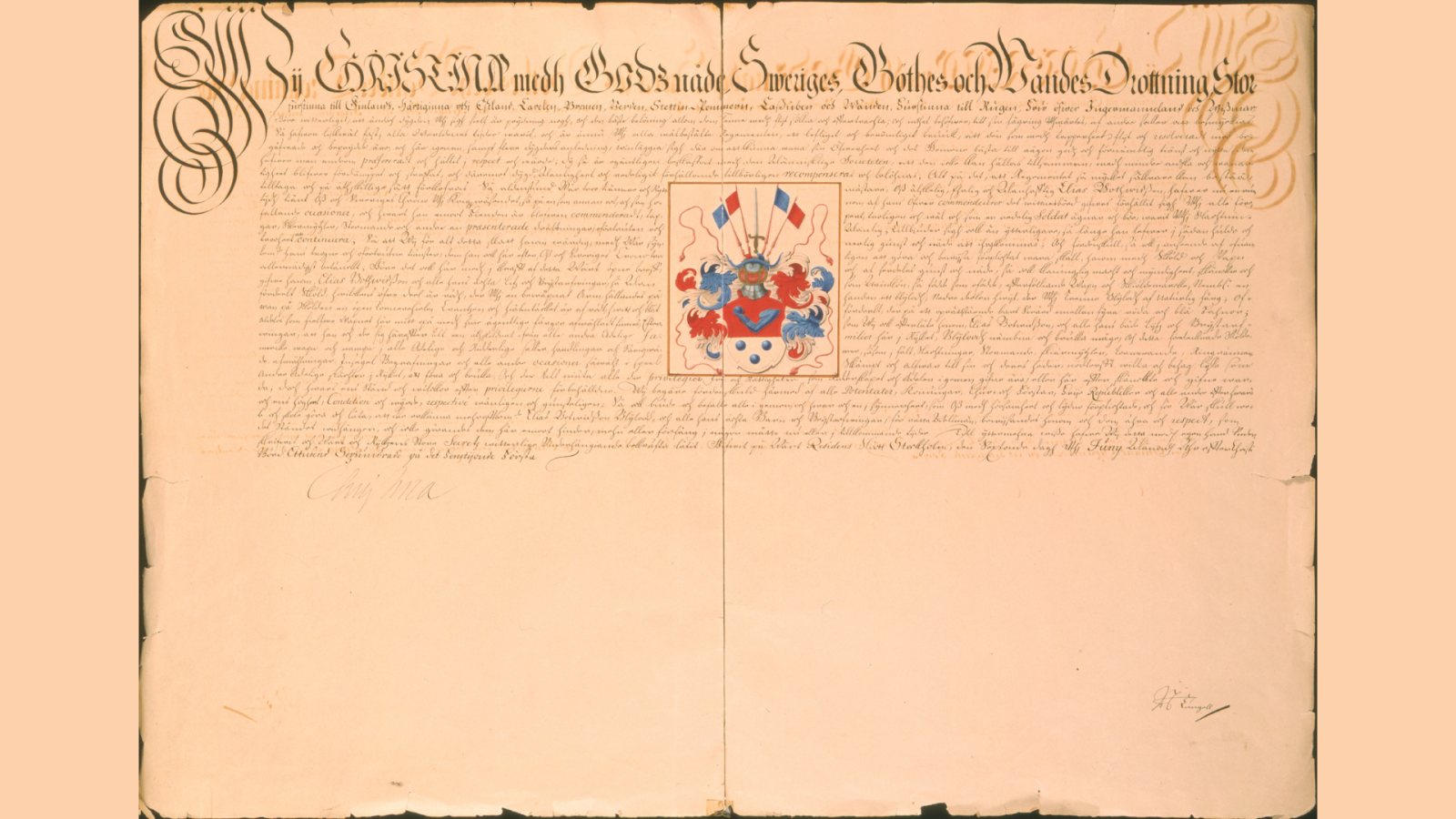
In 1645, Elias Botwedsson received a peerage from Queen Christina in recognition of his merits. At the same time, he adopted the surname Blylod, “lead bullet”. The Queen granted Håkansböle a tax exemption, which was to be permanent and gratuitous. However, it was cancelled only 38 years later.
The Swedish monarchs of the past had donated land to the nobility, but in the late 1600s, Charles XI began to take it back to the state. This was called the reduction order.
In 1695, Håkansböle was bought by Johan Gripenberg, chairman of the reduction commission. He lived in the manor for almost 40 years. Håkansböle lost some of its lands, but retained its tax exemption, as the farm began to support an army cavalryman again. This kind of farm was called a säterirustholli.
Soldiers were needed, as Sweden was fighting the Great Northern War (1700–1721) and the War of the Hats (1741–1743) in the first half of the 1700s. Sweden lost both wars. The Russian occupation during the wars (i.e. the Great Wrath and the Lesser Wrath) as well as epidemics and years of crop failure were hard on soldiers and civilians alike. Like many farms, Håkansböle was completely destroyed in the War of the Hats and went into debt.
The second half of the 1700s was a time of peace and defence consolidation. It gave many people the chance to prosper. One of those who took the opportunity was the next owner of Håkansböle, the Helsinki-based merchant Johan Sederholm.
Sederholm financed the construction of the Suomenlinna fortress, making him the most influential man in the parish. From Håkansböle at least lime and liquor were taken to the fortress. Sederholm never assumed a peerage, but owned the manors of Håkansböle, Kumpula and Herttoniemi by royal charter.
In the early 1700s, manor farms were not yet that different from wealthy peasant houses. As the price of grain rose, farm management became a honourable pastime for the nobility. Nobles began to build and decorate magnificent main houses, into which they then moved.
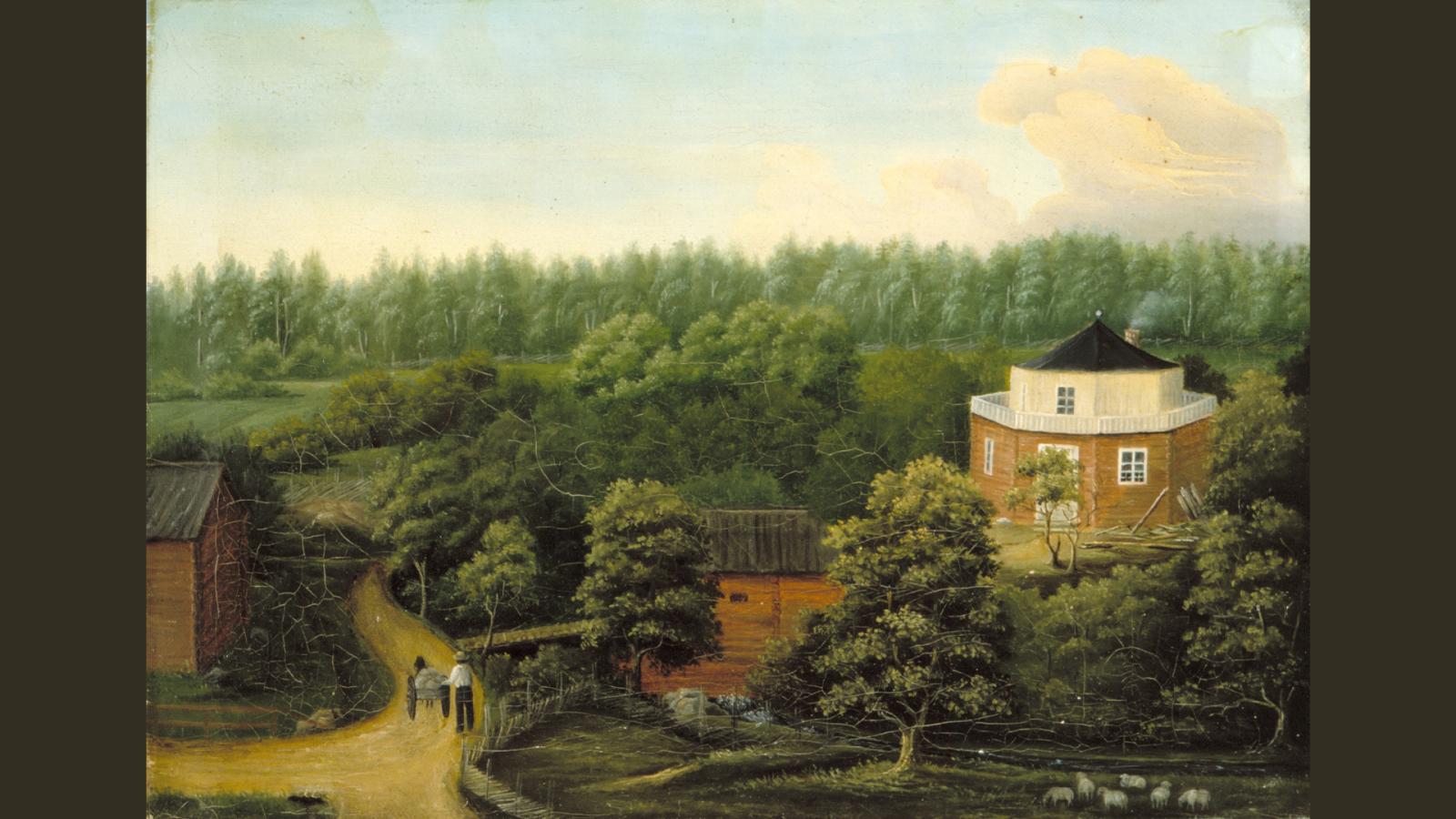
Sederholm significantly renovated the farm and built a new main building, a park and a gazebo in honour of the visit of King Gustav III. During Sederholm’s time, the population of the village increased by almost 40%.
Håkansböle was owned by Sederholm for more than 30 years from 1760 to 1792, until he sold the manor house with its contents and livestock to Carl Gustaf Krook, an assistant judge and Master of Laws (trained on the bench), at the age of 70.
The Finnish War was fought between Russia and Sweden in 1808–1809. As a result of the war, the Finnish regions were annexed to the Russian Empire and formed an autonomous Grand Duchy of Finland. So far, only scant information has been found about what happened in Håkansböle in the early 1800s.
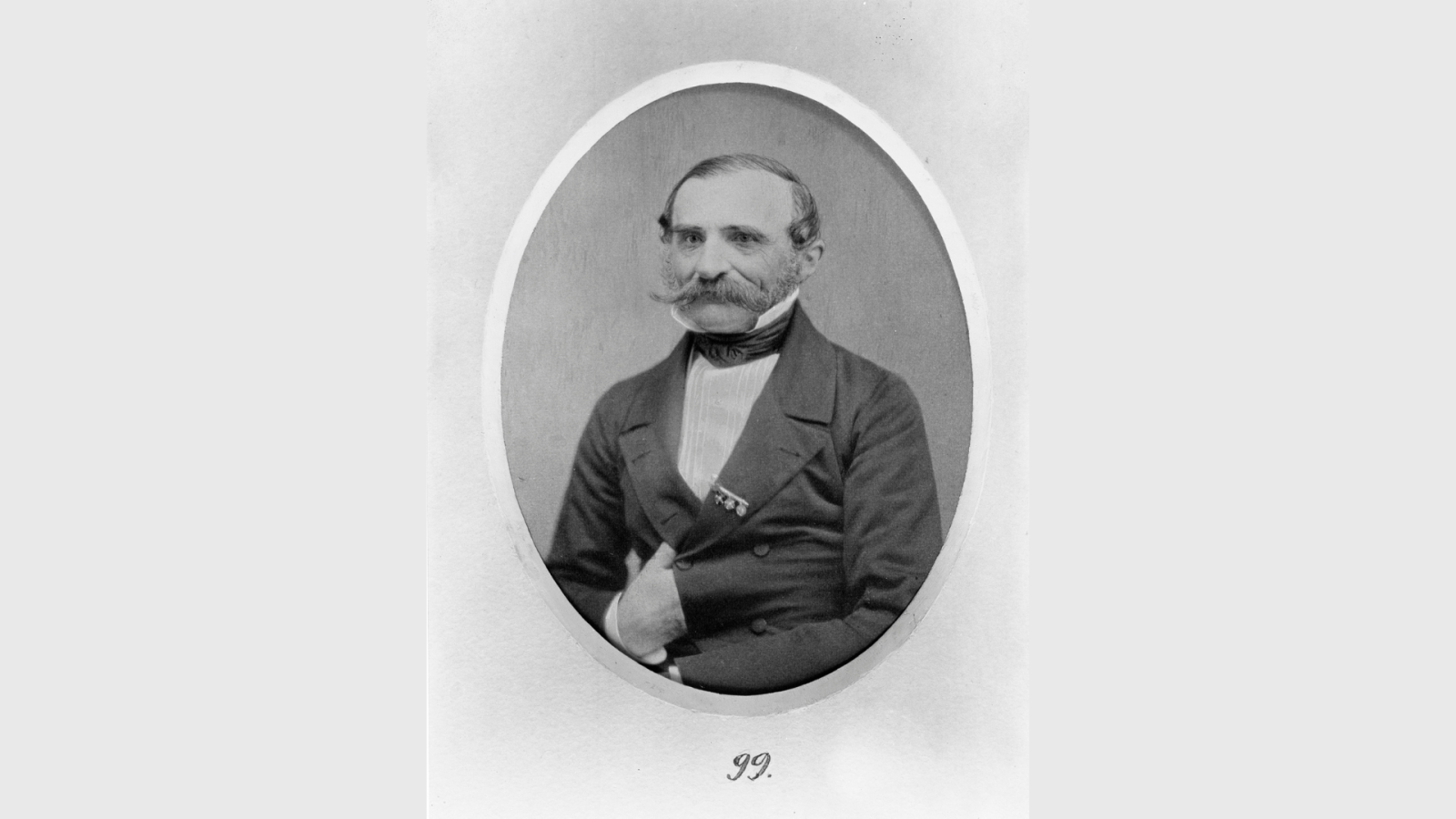
The widowed wife of the assistant judge Krook sold the manor to Lieutenant Colonel Anders Lorentz Munsterhjelm in 1838. Munsterhjelm is known as an industrialist who built an oil mill on the Tikkurilankoski rapids of the river Keravanjoki and founded the company Dickursby Oljeslageri in 1862. The companies later became Tikkurilan Väritehdas Oy.
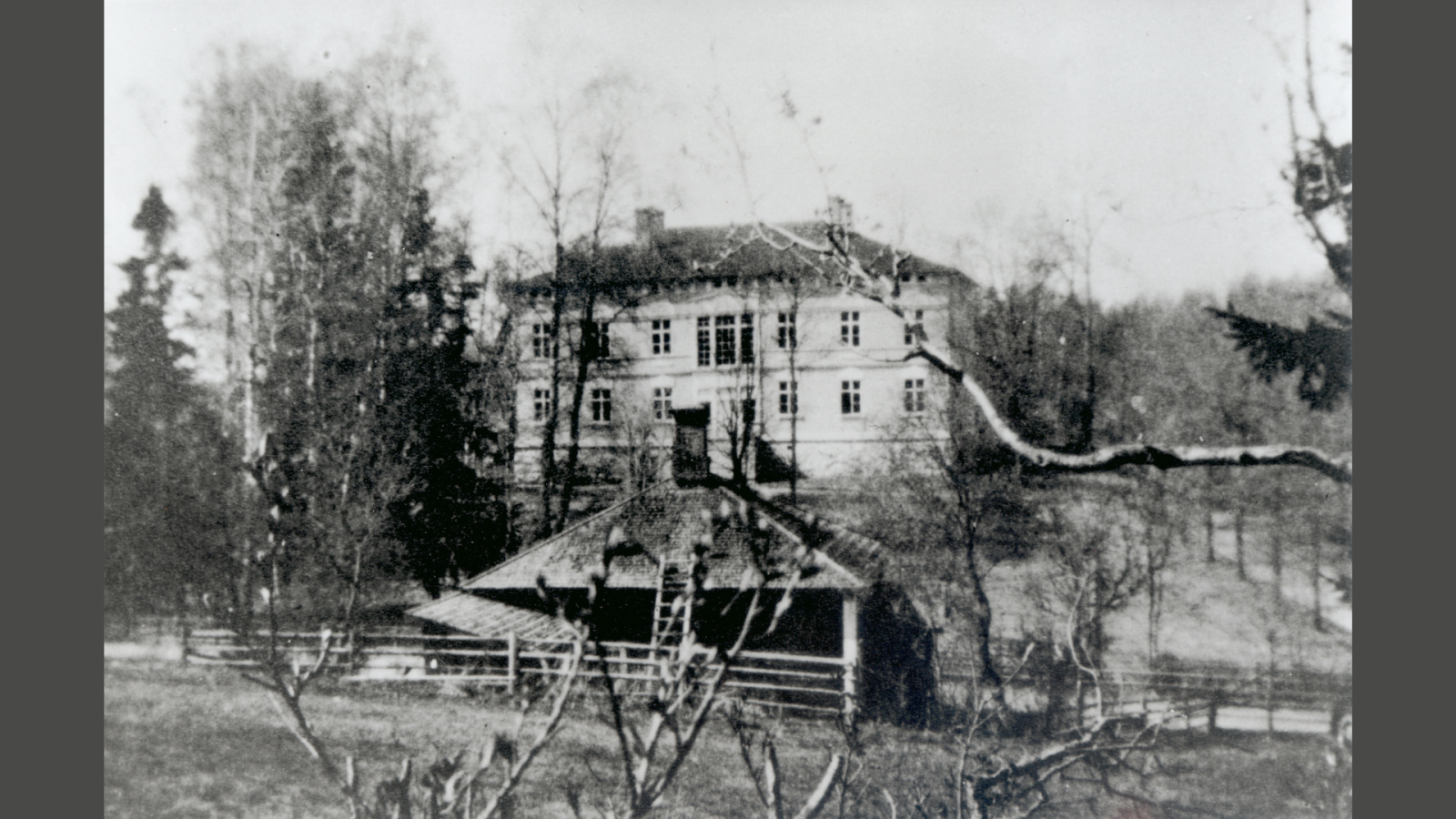
In 1844, Munsterhjelm built a new main building for Håkansböle. It was designed by Helsinki’s first city architect, A. F. Granstedt, whose mentor had been C. L. Engel himself. The two-storey main building was in the style of early 1800s neoclassicism. It was built of logs, but the horizontal panelling on the façade and the ancient decorative motifs made it look like a stone building.
During the Munsterhjelms’ time, the outbuildings included an estate steward’s house, a baking building, workshops for woodwork and handicrafts, a laundry room, a storehouse, a stable, a carriage house, a cowshed and a drying barn. The park was also extended and transformed into an English-style landscape garden.
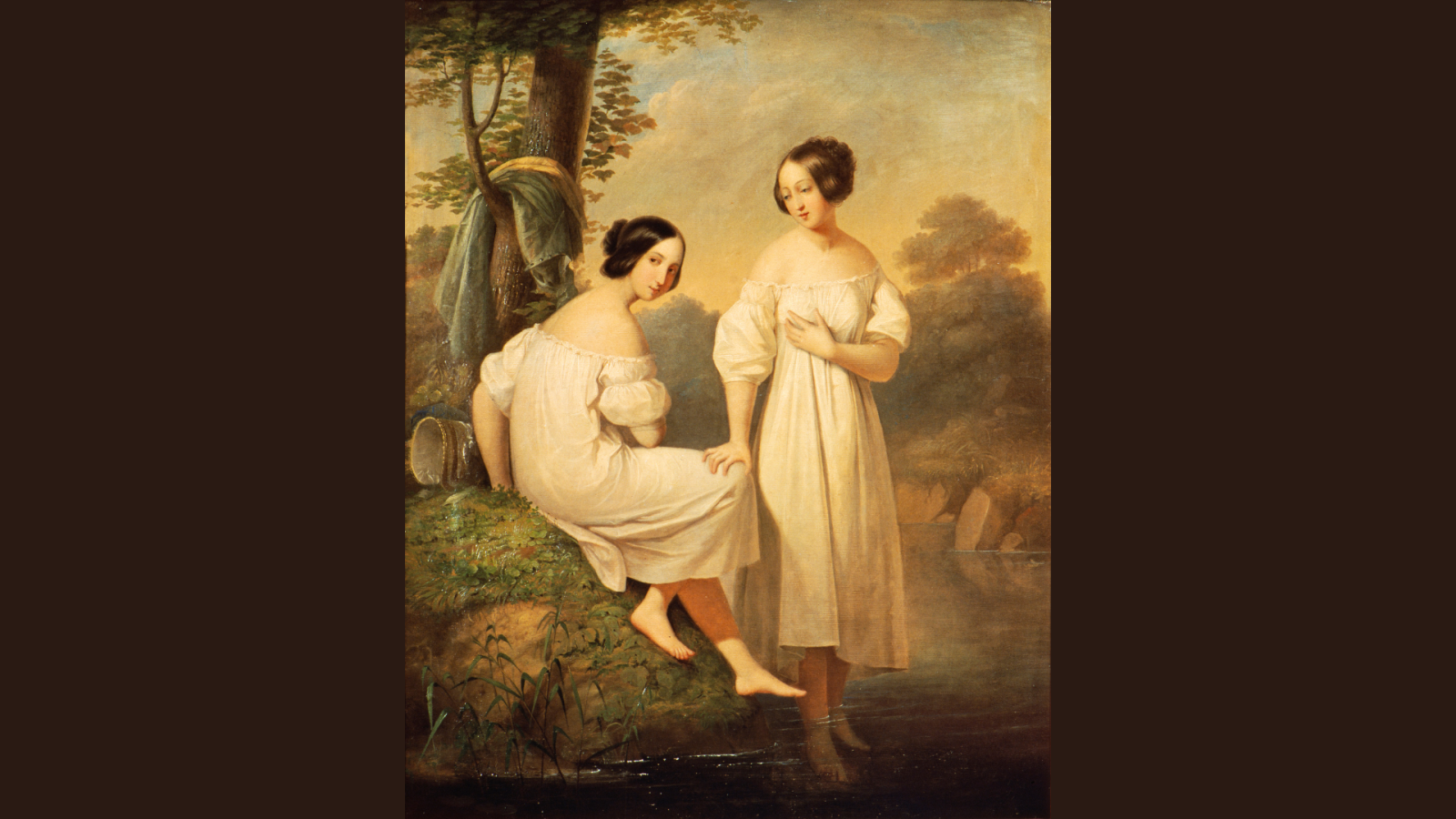
Anders Lorentz and Lovisa Munsterhjelm had eight children. Their firstborn, Constance, was an avid artist. Among other things, she painted her sisters Fanny and Minette at Håkansböle creek. At that time, it was difficult for women to get an education in painting. When Constance got married, she stopped painting.
Lovisa died at the age of 43, after which Anders Lorentz married the widowed Countess Fredrika de Geer Till Tervik. Fredrika was regarded as a kind-hearted mistress who organised gardening lessons and coffee servings for peasant wives.
Munsterhjelm sold Håkansböle Manor to his stepdaughter Lovisa Ehrnrooth and her husband Konrad “Konni” Ziliacus' family in 1881. Widow Countess Ehrnrooth had seven children from her previous marriage, and she had three more children with Ziliacus, 11 years her junior. In the early years of their marriage, Zilliacus worked as a judicial trainee of the court of appeal and as a clerk in the Governor General’s office. The Zilliacus family moved frequently and quickly fell into debt.
Only a few years later, in 1884, Håkansböle was sold and the family moved to Mariefors Manor in Kellokoski, where Konni concentrated on breeding horses. The Håkansböle accounts also contain records of workhorses and riding horses during the Zilliacus period, as Konni built a new and fine stable for the animals near the main building.
Håkansböle was bought from the Zilliacus family again by a relative, Munsterhjelm’s daughter Aline together with her husband Oskar Andelin. At that time, the size of the farm was 900 hectares, of which 175 hectares were cultivated. In 1890, Andelin retired from active military service and concentrated entirely on farming. He did well in the job, even though he had no previous farming experience.
Oskar Andelin died in 1905, after which his heirs sold the estate to Arvid and Emilia Sanmark. Emilia Sanmark was the great-granddaughter of Munsterhjelm’s wife.
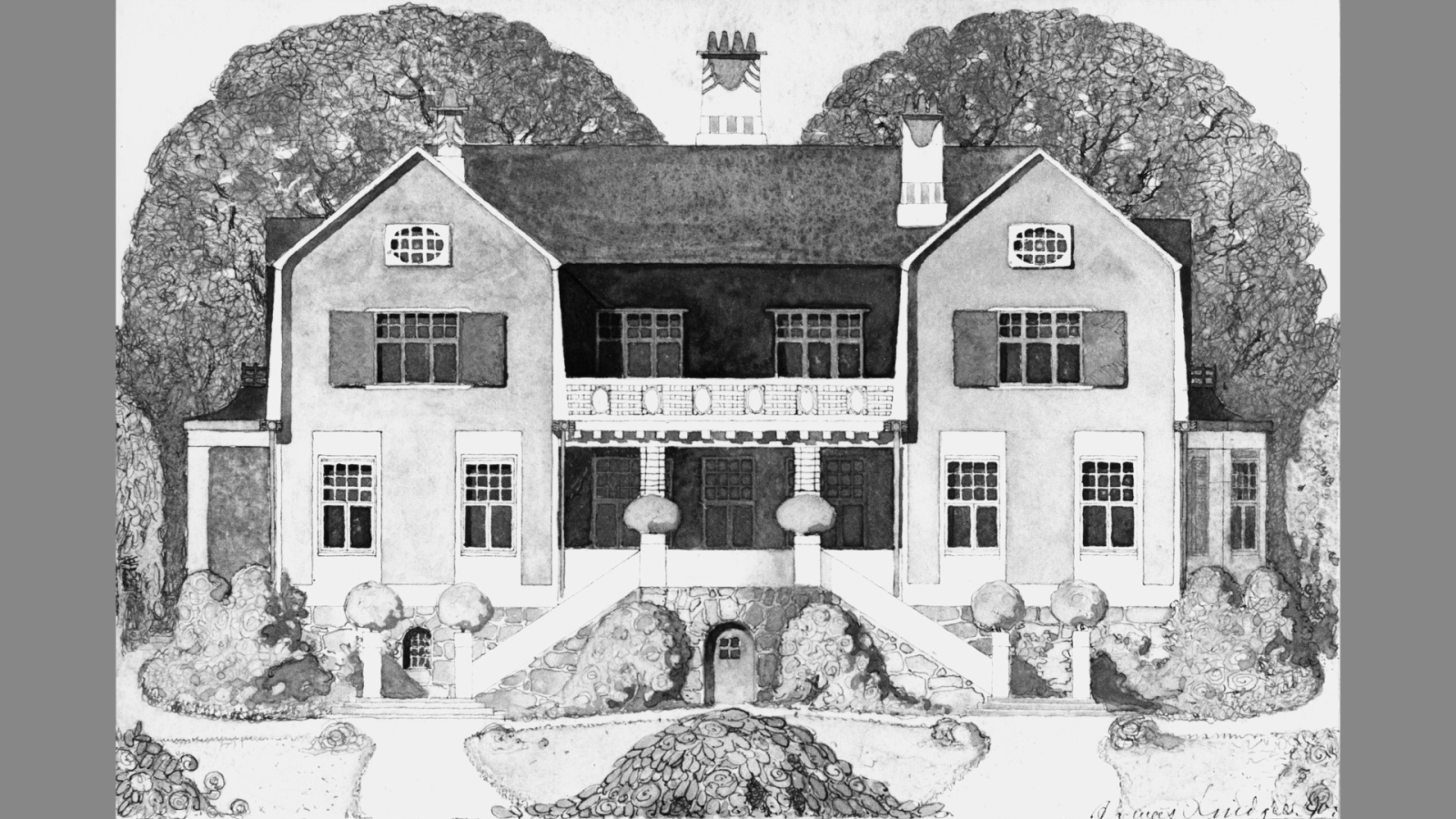
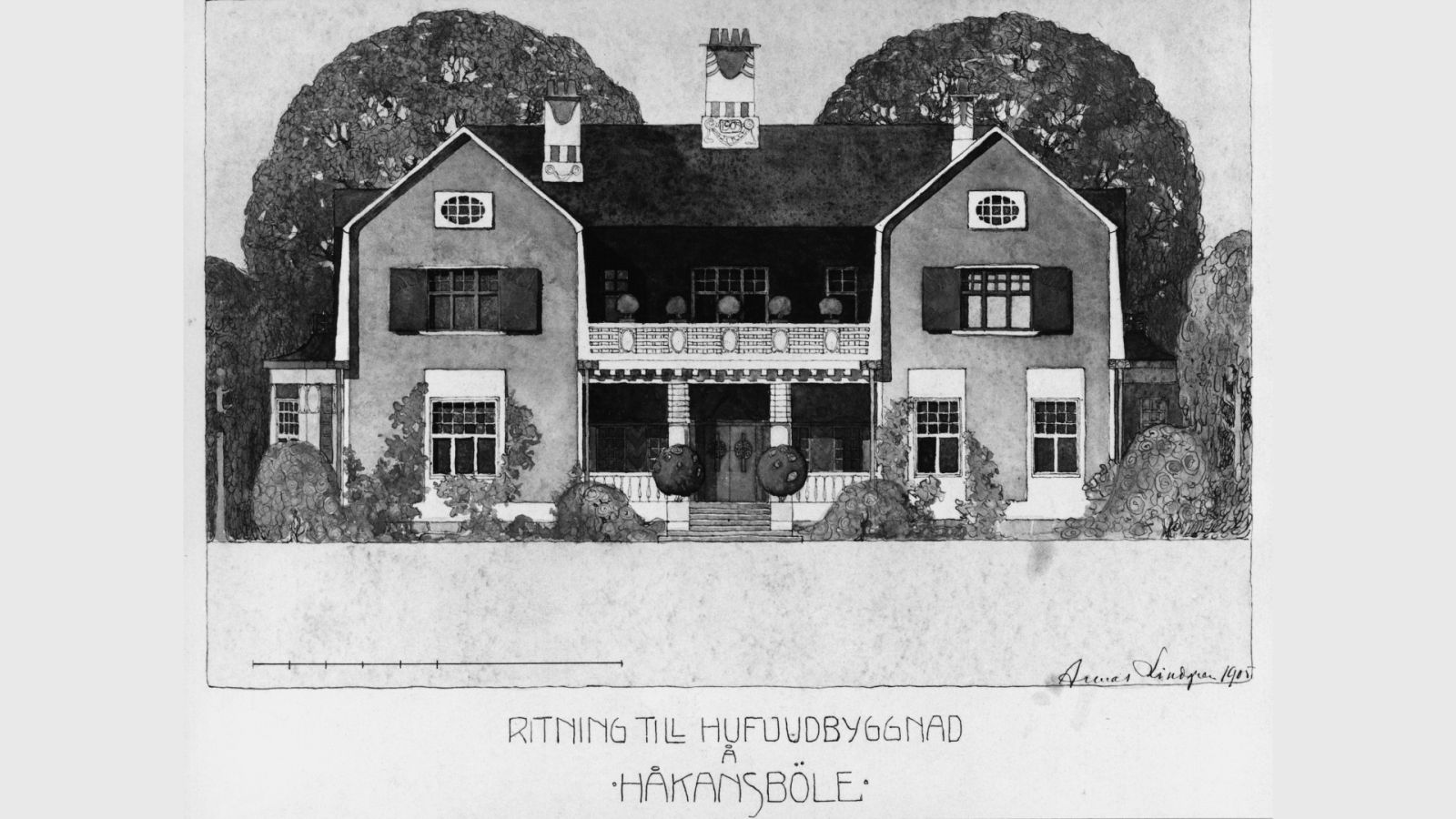
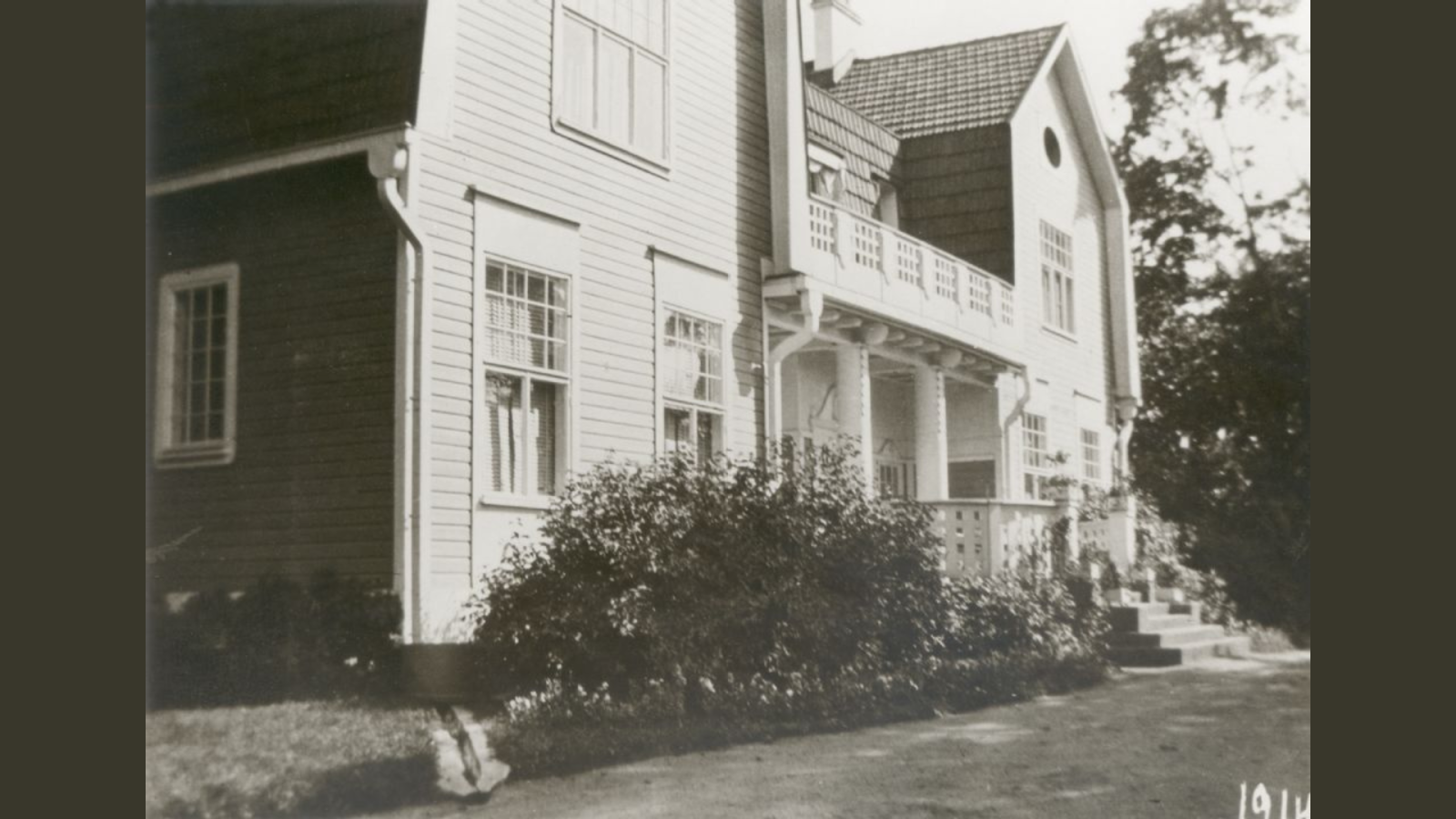
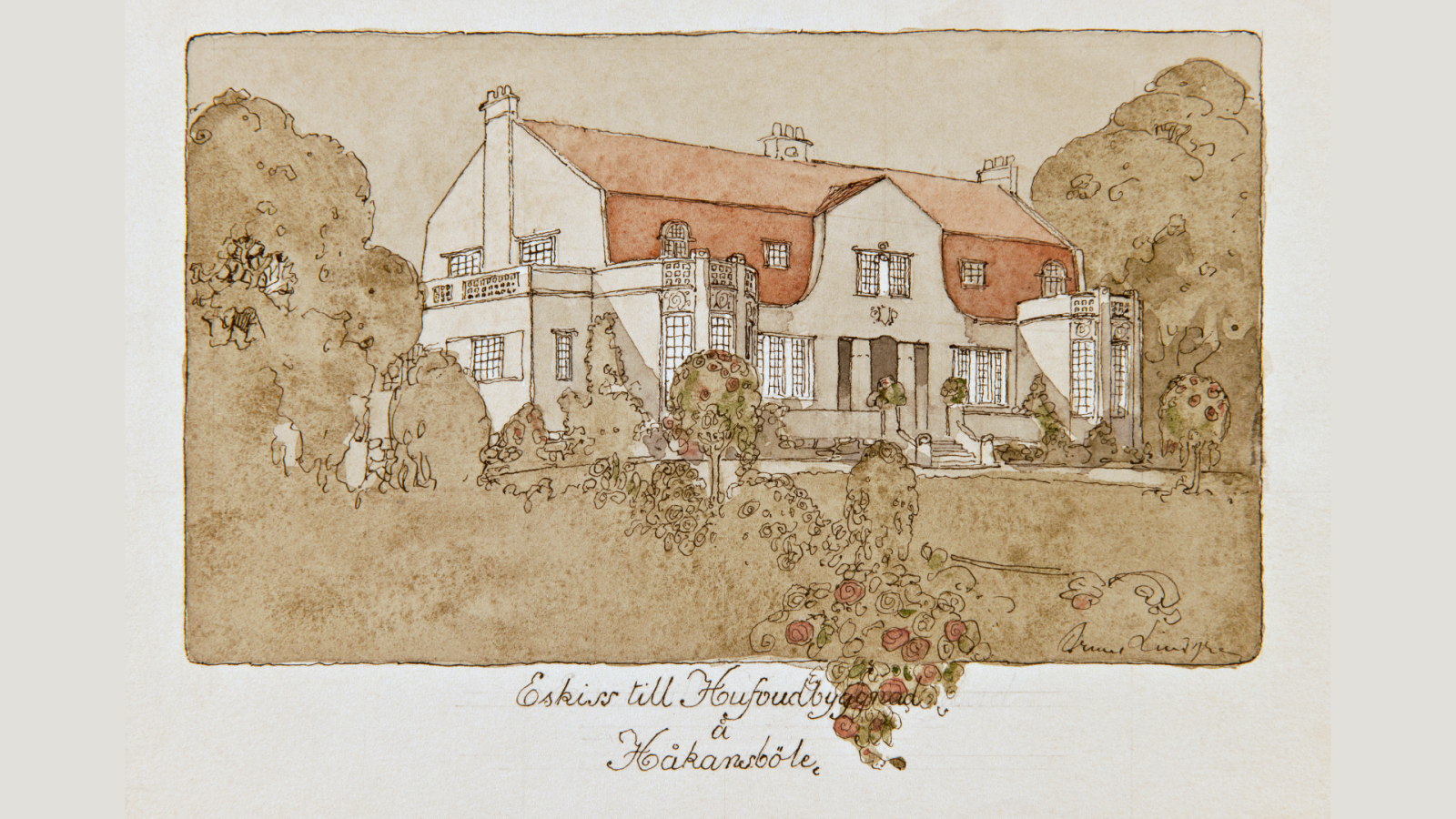
Arvid and Emilia (Lilli) Sanmark bought the manor in 1905. First, they decided to have the old main building renovated. The renowned architect Armas Lindgren was hired for the task. As the project progressed, the Sanmarks and Lindgren eventually decided to build a completely new main building.
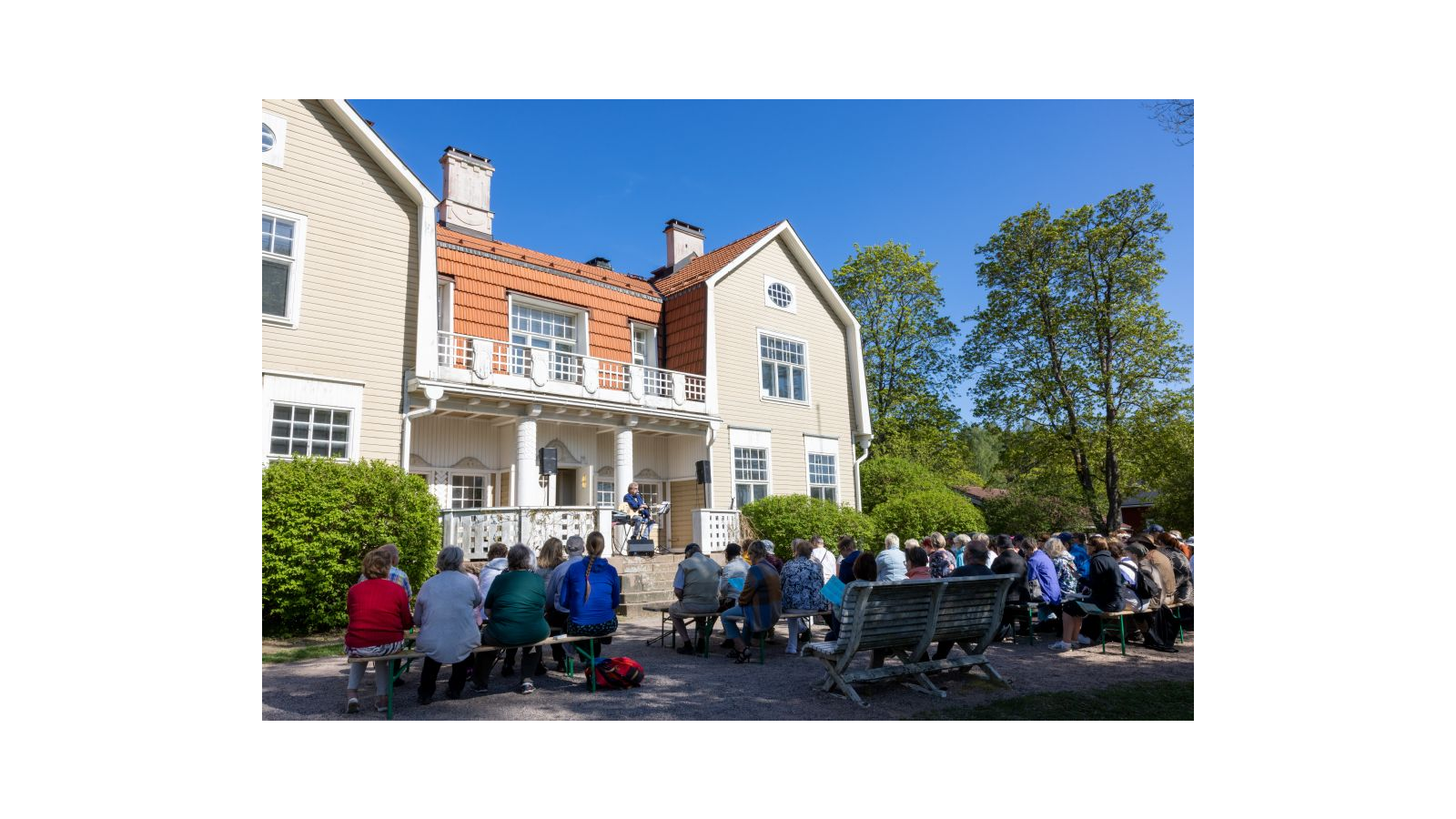
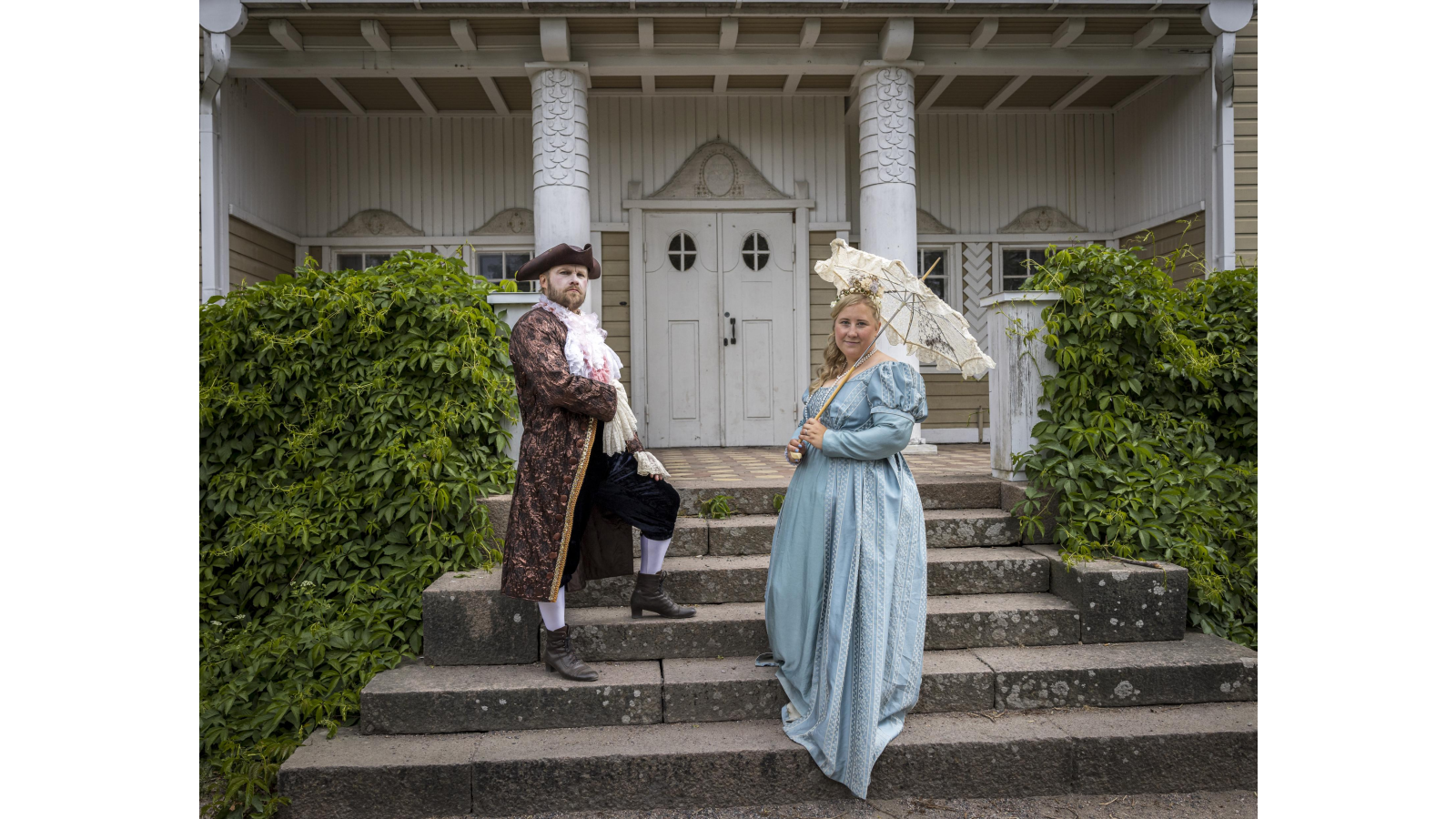
The Jugenstil-style manor was completed in 1908 and is still standing today. Under Arvid and Lilli Sanmark, the cowshed’s stone foundation was also renovated and a new henhouse was built. The park was extended to the other side of the stream and various trees were planted there. An English-style landscape garden design was commissioned from garden architect Svante Olsson in 1906.
Arvid Sanmark had intended to devote himself to farming. However, his health was poor, so the plan did not go ahead. Arvid Sanmark died in 1908, before the new main building was fully completed. His widow Emilia Sanmark continued to run the farm. She was assisted by her cousin Axel de la Chapelle and Alfred Malmgren, an estate steward already hired during the Andelins’ time. Emilia Sanmark died in 1918.
Per Kasten, the youngest son of the Sanmark family, became the master of the estate in 1922. In his time, the manor became a large dairy farm. Håkansböle was equipped with a milking machine and a new tractor, and new housing was built for the workers. Håkansböle was one of the largest and most modern farms in southern Finland. Standardbred horses were also bred on the farm, the foals of which were sold to the Helsinki mounted police.
In 1932, Per Kasten Sanmark married the Swedish Astrid Belfrage. The family fled World War II to Sweden and eventually settled there permanently. After the war, Per Kasten travelled between Sweden and Håkansböle about once a month throughout the year. His wife and children only spent holidays and public holidays at the manor house.
In the late 1940s and early 1950s, the estate concentrated on greenhouse cultivation of flowers and vegetables, and cattle were completely abandoned. Between 1937 and 1942, Sanmark sold plots of land on the estate to Vaarala for a detached houses area, in the 1950s to Karl Fazer Oy and in the 1960s to Keskus-Sato for the new Hakunila residential area.
Per Kasten died in 1983, but the Sanmarks used Håkansböle as a holiday home until the 1990s.
The estate was put up for sale by Per Kasten Sanmark’s estate in autumn 2002. On 18 April 2005, the City of Vantaa decided to buy the manor house and its grounds, and it became the property of the City of Vantaa in August 2005. The purchase price was EUR 1.2 million. It bought eight buildings and more than six hectares of land.
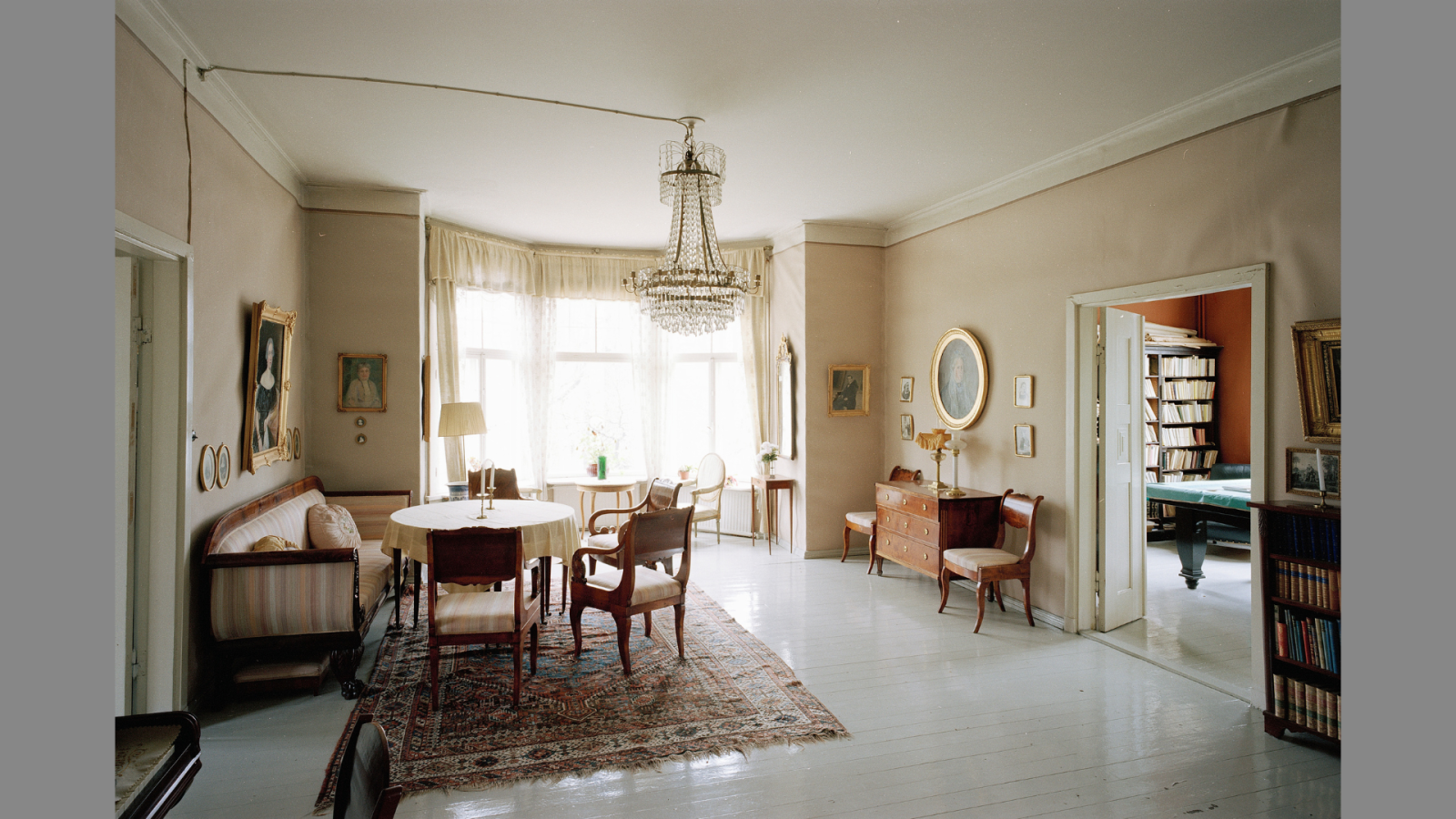
The main building became the property of the city, mainly furnished. Some of the furniture was bought with a private donation and some pieces were donated by the previous owners. Donated funds were also used to conserve the original furniture of the manor. The deal also included the Mutteritalo building located on a separate plot which was sold to the tenants who lived there in 2006.
From a home to a museum
Arvid, Gunilla, Marie-Louise and Christina Sanmark were looking for a buyer for the estate back in the 1990s. In 2002, the estate was advertised for sale in the newspapers, which aroused interest.
The city started to prepare a proposal for the purchase of the manor, and finally on 18 April 2005 the City Council of Vantaa decided unanimously to buy the manor. Cultural historical reasons were particularly important in the purchase decision. At the same meeting, it was decided that the area should be included in the detailed plan programme and its place in the city organisation should be clarified.
Initially, the manor was planned to be a reception space for the mayor and premises to rent for business events. For example, the manor was intended to host high-level experiences-focused events on specific days and months. There were also plans to convert the estate steward’s house into a banquet venue and café that could be rented to outside parties. The manor premises were intended to house the collections of artist Risto Vilhuse.
The project got off to a lively start. Between 2005 and 2011, the detailed plan was updated, a needs assessment and project plan were drawn up, the manor park was restored with EU funding, and the roof and façade of the main building were renovated. The City Museum started to catalogue the artefacts of the manor in 2005.
The intention of the use and restoration plans was to ensure that any measures would be carried out in stages and that they would be completed within a couple of years. However, this did not happen and the project was swallowed by the recession.
Between 2012 and 2017, the city restored the playhouse. The museum contributed to the preparation of a needs plan concerning the buildings by preparing a new study on the use and renovation of the estate. Local activists founded the association Håkansbölen kartanon kummit ry.
The renovations were not continued before 2018, when the estate steward’s house was converted into a café. Then, between 2020 and 2021, the renovations of the outbuildings, the small stables, the banquet stable and the laundry room again progressed rapidly, although the COVID-19 pandemic delayed the renovations by another year.
The restoration of the estate will be completed by the end of 2025, 20 years after it was acquired by the city. The renovation of the main building will then be completed. A manor museum will open in the main building in summer 2026.
The Vantaa City Council decided on the management model for the Håkansböle Manor Museum on 4 September 2023. Within the city organisation, Håkansböle is part of the Cultural Services service area, under the Museum Services unit. Håkansböle is the second museum site of the Vantaa City Museum. The city museum’s oldest museum site is located in the old Tikkurila station.
In 2023, an administration-wide working group set a vision for the estate and prepared an action and development plan. The vision for Håkansböle Manor is “Living and Unique”. Our aim is to be an oasis in the city open to all – a place where culture, history and nature meet. We are also an important part of the Hakunila cultural and sports park complex.
The museum coordinates activities in the area, but development is carried out within the city on an administrative-wide basis and in cooperation with businesses and associations. Areas for development include improving accessibility, supporting community spirit and well-being, protecting and enabling, and promoting tourism.
In developing our services, we have used customer-oriented service design. We work both through customer research and active collaboration between the actors in the estate to ensure the best visitor experience. Concerning development ideas, please contact kartanomuseo@vantaa.fi.
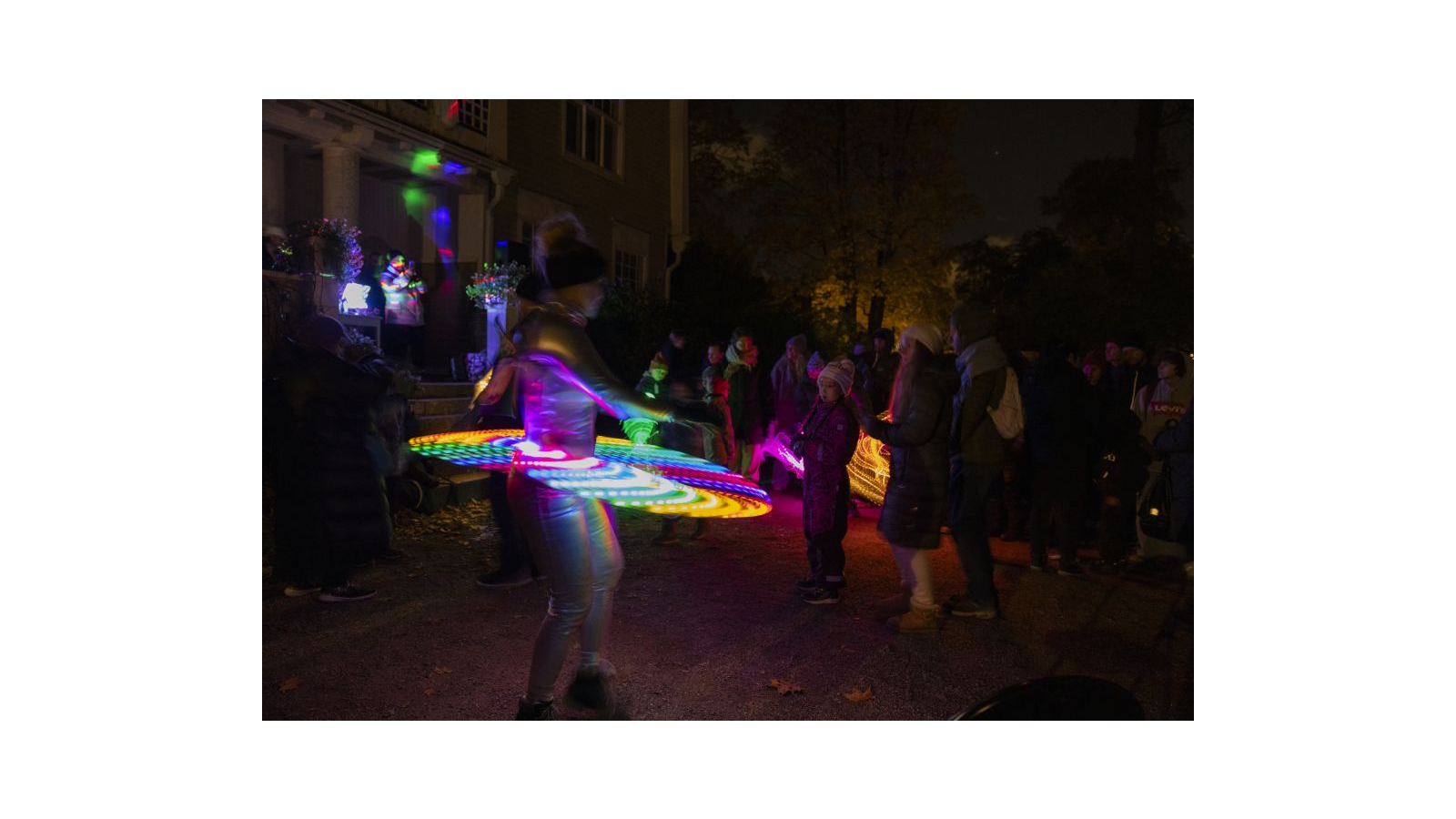
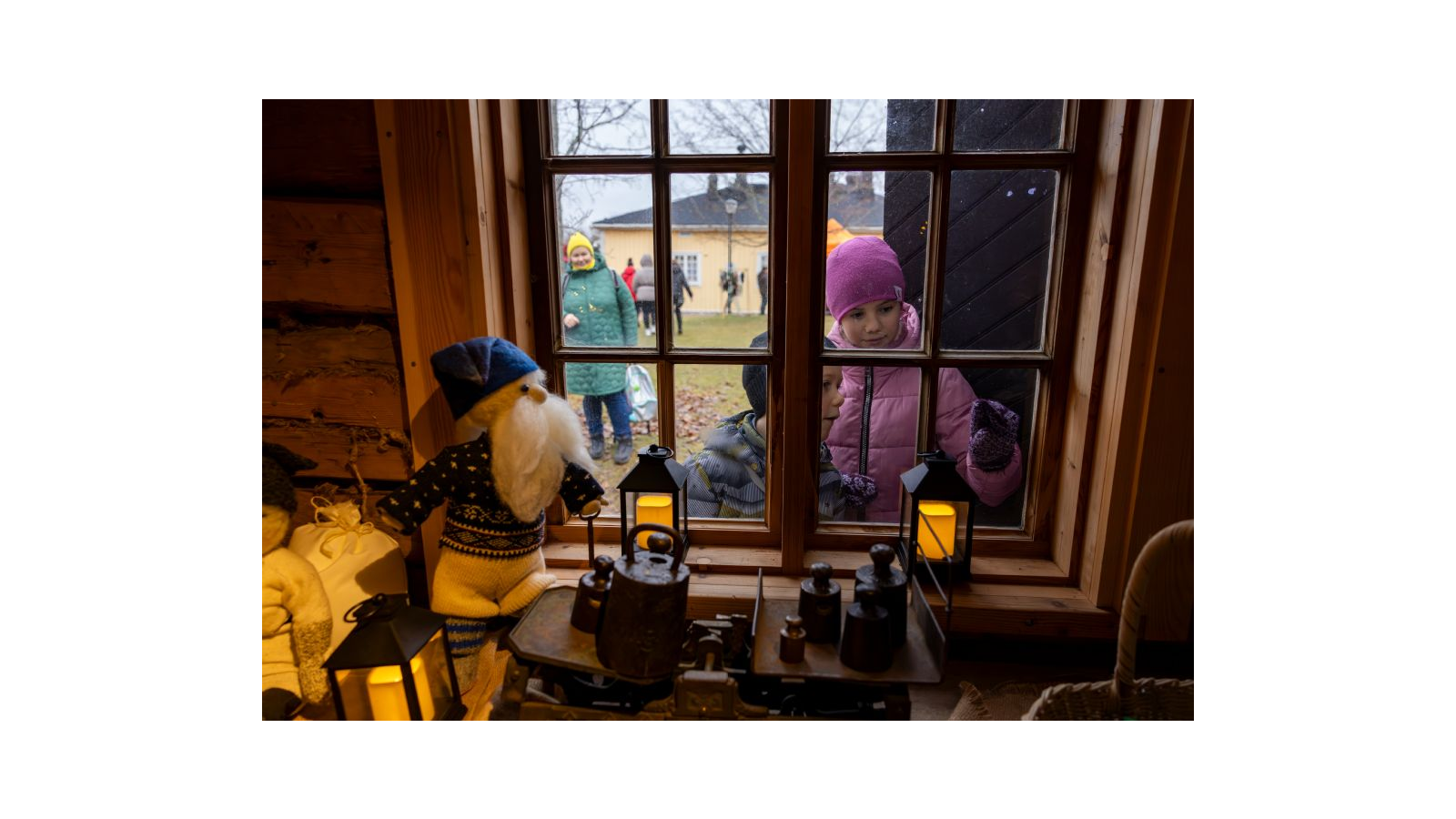
The Håkansböle area houses a close network of cooperation between the city, entrepreneurs and associations. Our vision is a living and unique manor area open to all. Our activities highlight the cultural, historical and natural values of the area. We cherish the region’s rich cultural heritage and bring its stories to life through events and community-oriented activities. Below you will find short introductions to the key players in the area that make Håkansböle Manor an attractive and vibrant place to visit all year round.
Vantaa City Museum
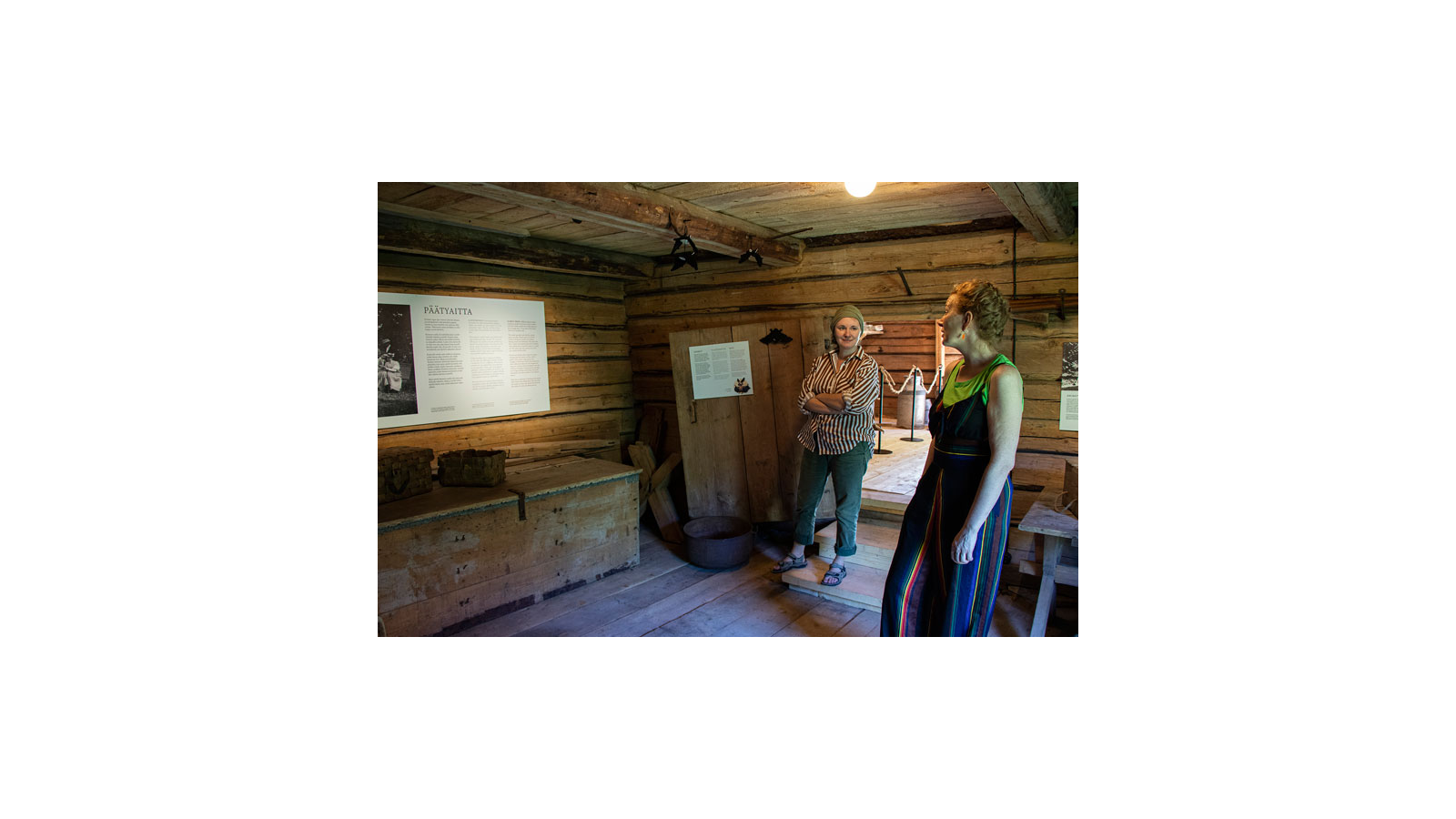
The Vantaa City Museum is a museum run by the City of Vantaa and has two museum sites. The old Tikkurila station has hosted temporary exhibitions since 1990, and the first permanent exhibition o the history of Vantaa will open in late 2026. In Hakunila, summer exhibitions have been held in the courtyard buildings of Håkansböle Manor since 2021.
The main building of Håkansböle Manor was renovated between 2024 and 2025, and the Manor Museum will open in summer 2026. The museum’s mission is to record, preserve, care for and present Håkansböle Manor and its collections. The museum manages large collections of artefacts, images and archives, and organises exhibitions, guided tours and events in the area. The museum also coordinates cooperation between local actors and has a special responsibility for the development of cultural tourismhttps://kaupunginmuseo.vantaa.fi/fi.
Håkansbölen kartanon kummit ry
Håkansbölen kartanon kummit ry is an association founded in 2014 to support the development of Håkansböle Manor, owned by the City of Vantaa, and to promote its community-oriented use. The association has organised hundreds of guided tours and events at the manor, preserving and enlivening its cultural heritage.
Since 2019, the association has had a cooperation agreement with the city museum. Their active involvement has served a wide range of Hakunila communities, school groups and senior citizens.
The association has played a key role in the development of the manor area. The association has promoted research, examined the challenges of the area and influenced decision-making on issues such as the use of the area and tourism objectives.
To date, almost 30,000 people have participated in the association’s activities. The association’s lobbying work will continue in the working groups of the Håkansböle Manor Museum and new members are welcome to contribute to the efforts. The association is led by its chair Kati Tyystjärvi.
Håkansbölen kartanon kummit ry's website (in Finnish)
Café and restaurant Håkans
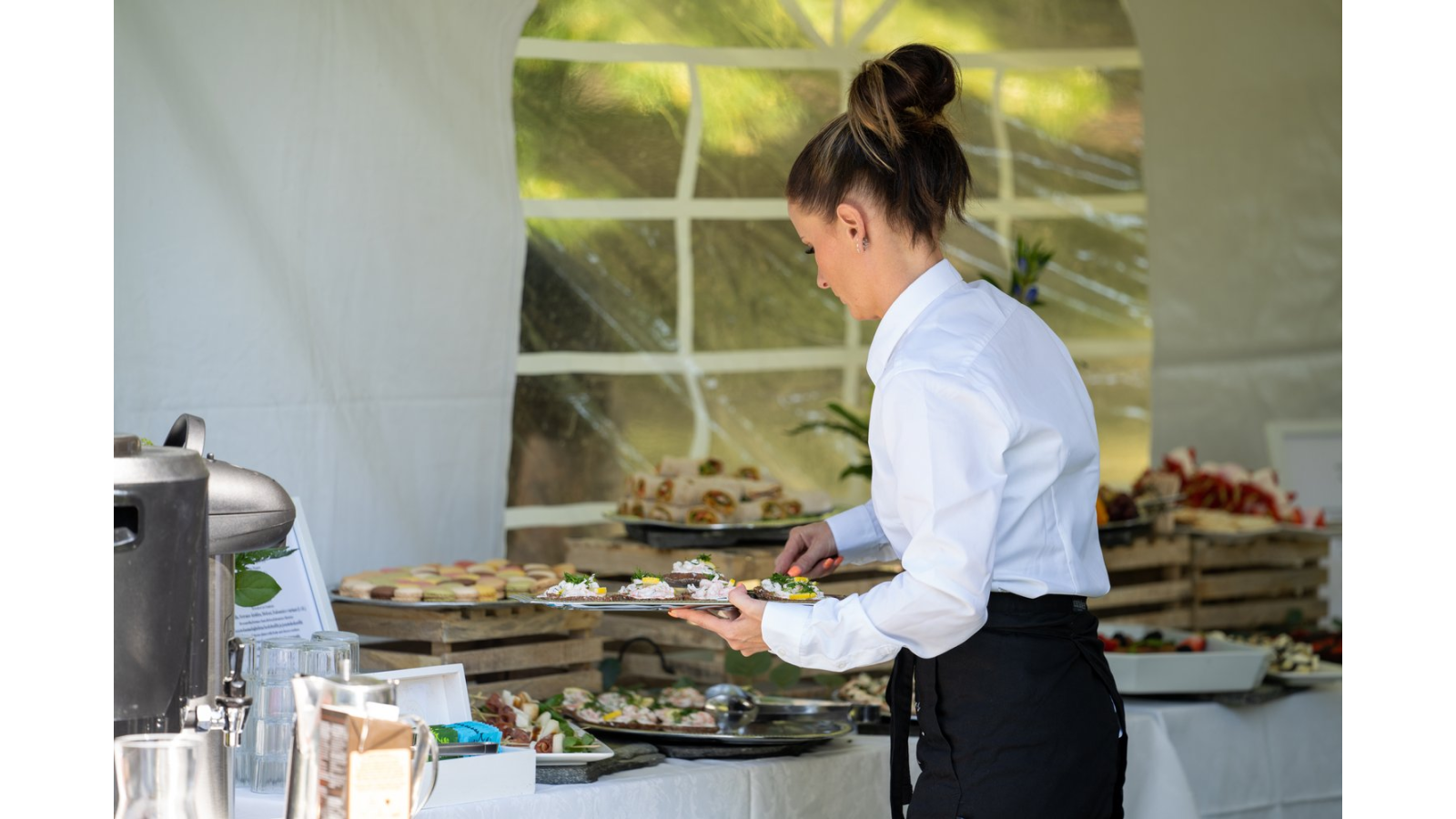
The café-restaurant Håkans is a meeting place in the heart of the Håkansböle Manor area, combining delicious food, warm service and a unique cultural environment. Håkans brings life to the area all year round and serves as a refreshing break from everyday life as well as a setting for various events.
Entrepreneur Jenny Angeria-Öhman and restaurant manager Petri Parikka’s passion for good food and a cosy atmosphere as well as their appreciation of the historic surroundings of the manor are evident in everything they do. Håkans works closely with other local actors.
The café-restaurant complements the services available in the manor premises. The facilities in the estate steward’s house and the banquet stables offer the opportunity to stop for a delicious lunch, brunch or cup of coffee and to enjoy life’s important moments with friends and family.
Café and restaurant Håkans' website (in Finnish)
Kartanon Antiikki Shop
Kartanon Antiikki Shop is an antiques shop in the old Maitokamari building, offering its customers high quality farmhouse antiques and other treasures suitable for home decoration. Please note that the shop is only open by appointment and for some events on the estate.
Entrepreneur Ulla Karjalainen has ran the charming antique shop in Håkansböle since 2014. You can reach Ulla by phone at 0400703917 or by email ulla.karjalainen@pp.inet.fi.
Kartanon Antiikki Shop's Facebook-page
Children's Cultural Centre Pyykkitupa
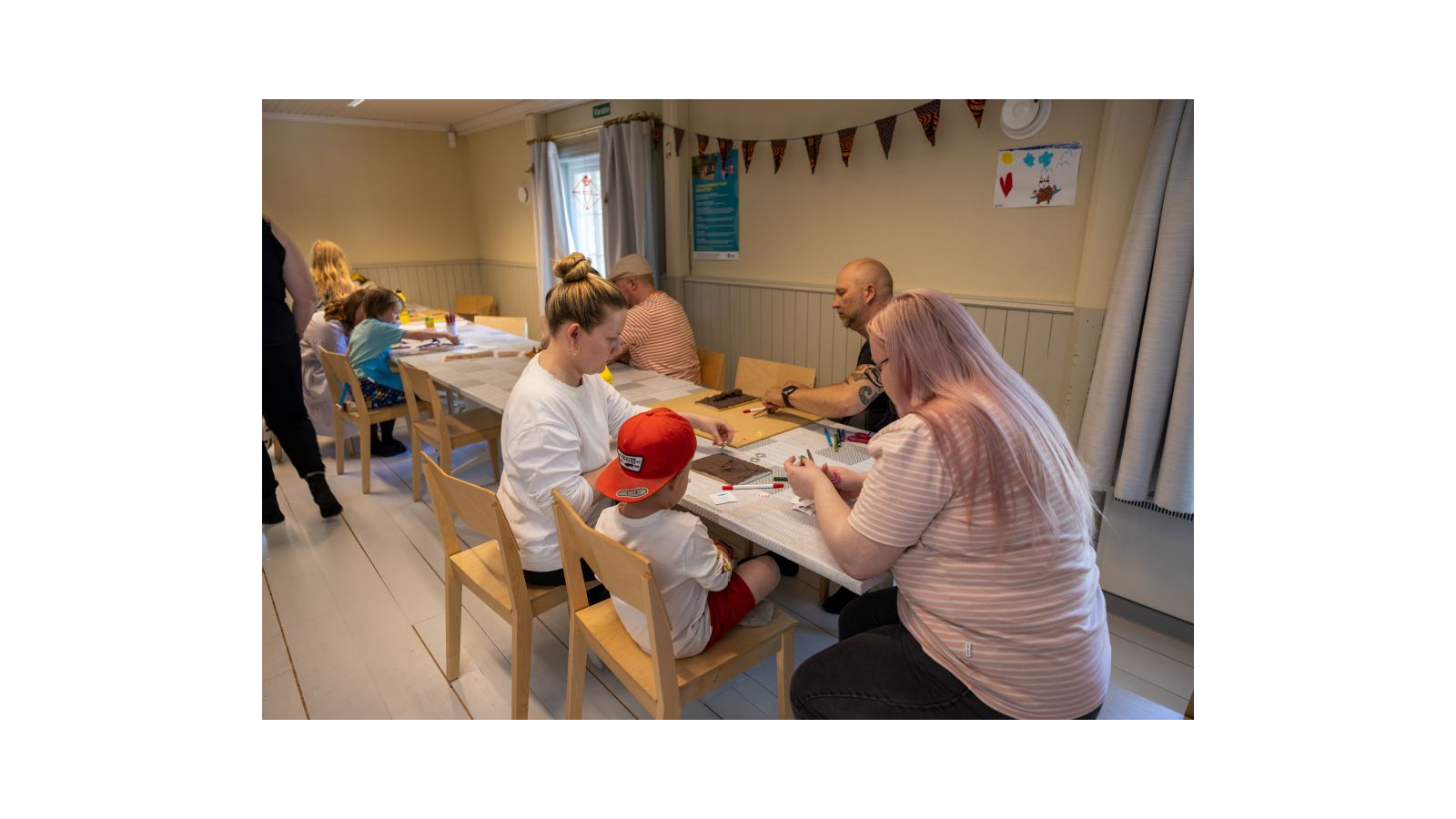
Pyykkitupa is a 61 m² children's cultural centre on the Håkansböle estate. It opened to the public in 2022. Pyykkitupa offers high-quality arts and cultural activities for children, young people, families and school and daycare centre groups.
Pyykkitupa is part of the network of children’s cultural centres in Vantaa and follows the principles of safer spaces. The centre is an area where discrimination is not tolerated and it is committed to the principles of the More Accessible Hobby Approach label, which guarantees accessible activities for all participants.
Pyykkihuone can also be rented for family parties, workshops and other small-scale activities. The space is accessible and suitable for a wide range of events.
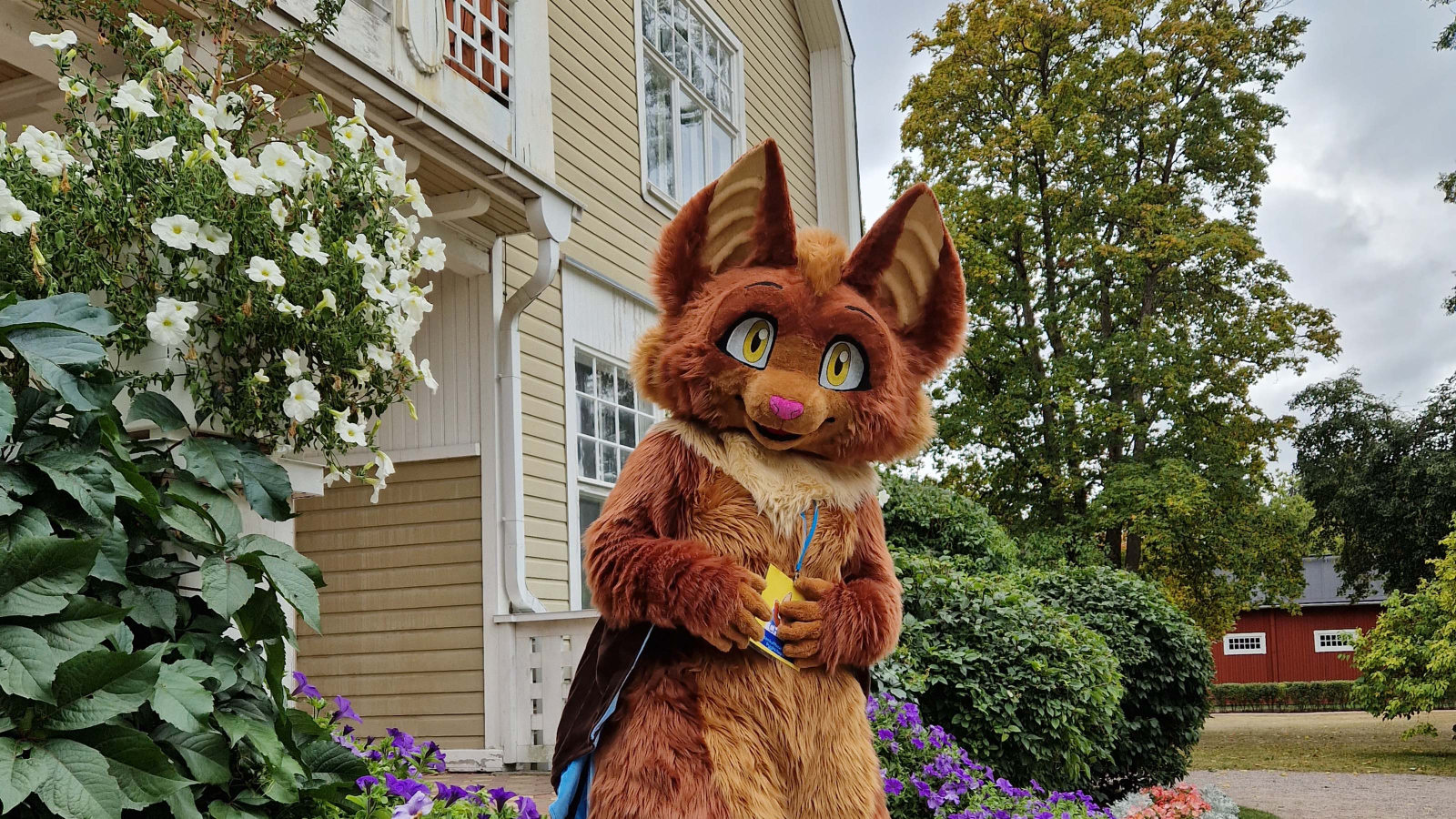
Pyykkitupa is home to the mansion’s bat mascot Chiro, who performs at many events in the area. Chiro also makes visits outside the manor grounds.
Håkansböle collection
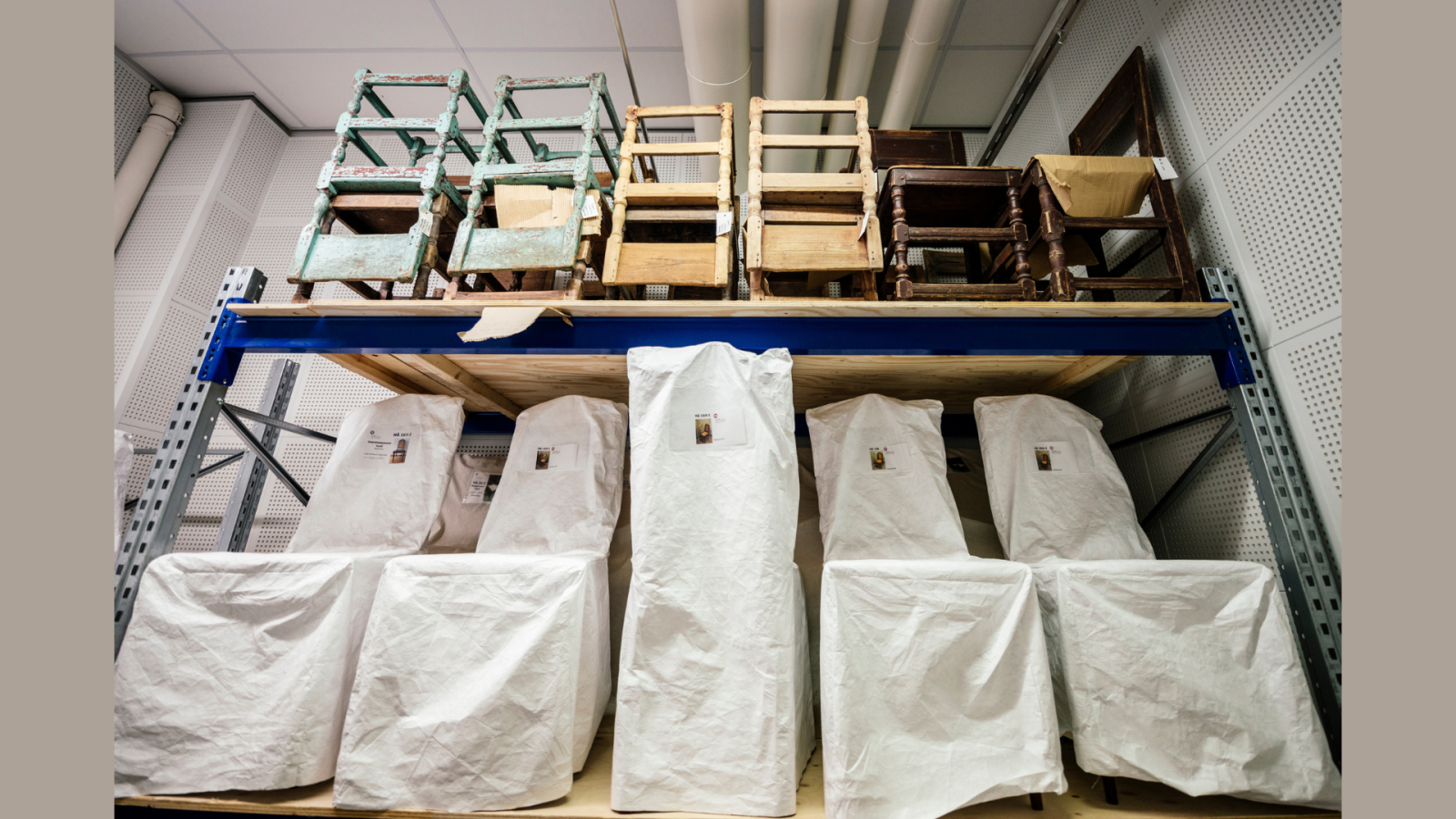
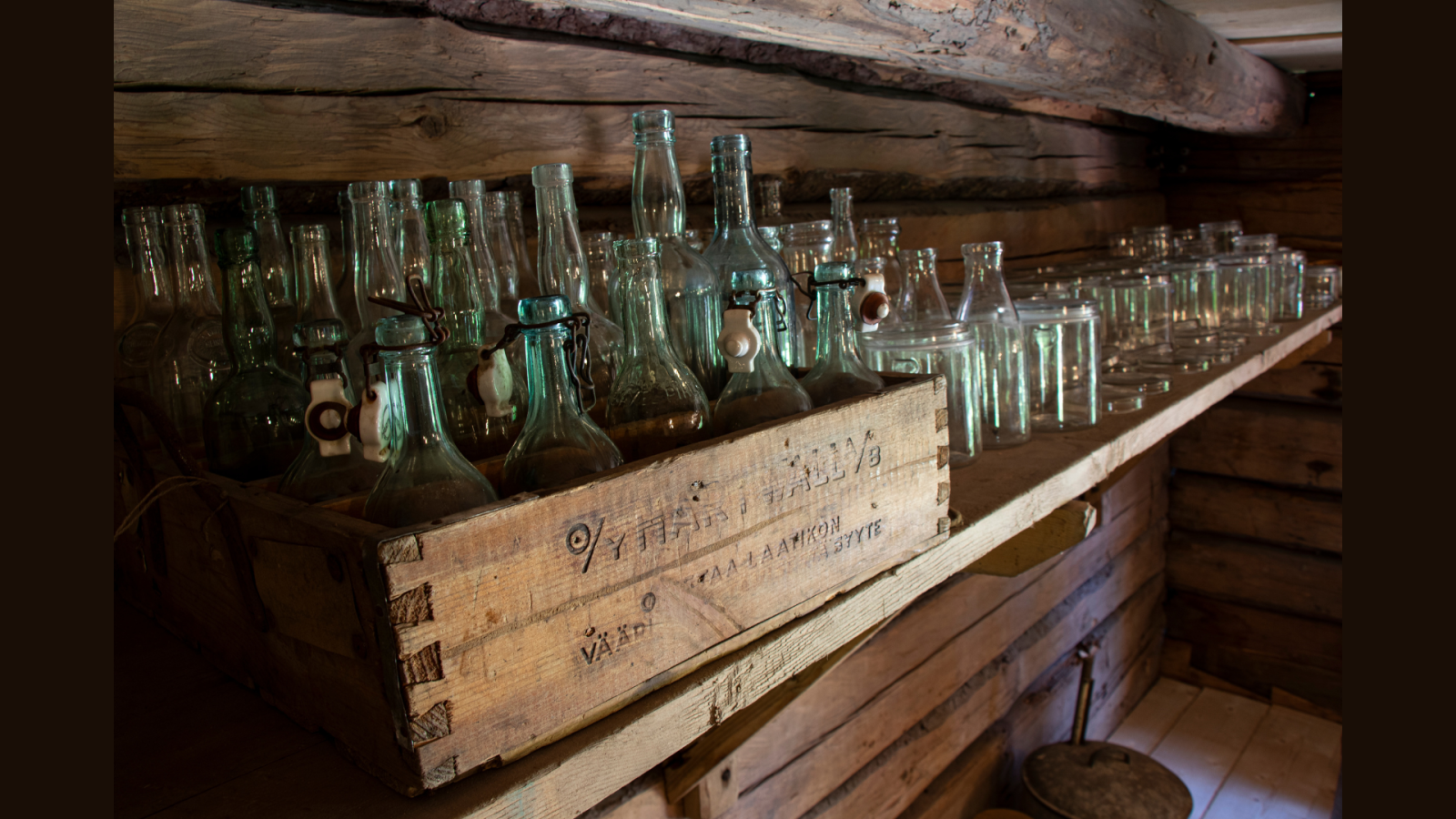
The collection of Håkansböle Manor is the largest collection of images, objects and archives in the Vantaa City Museum. It contains around 15,000 objects, almost 1,200 photographs and 12 shelf metres of archival material.
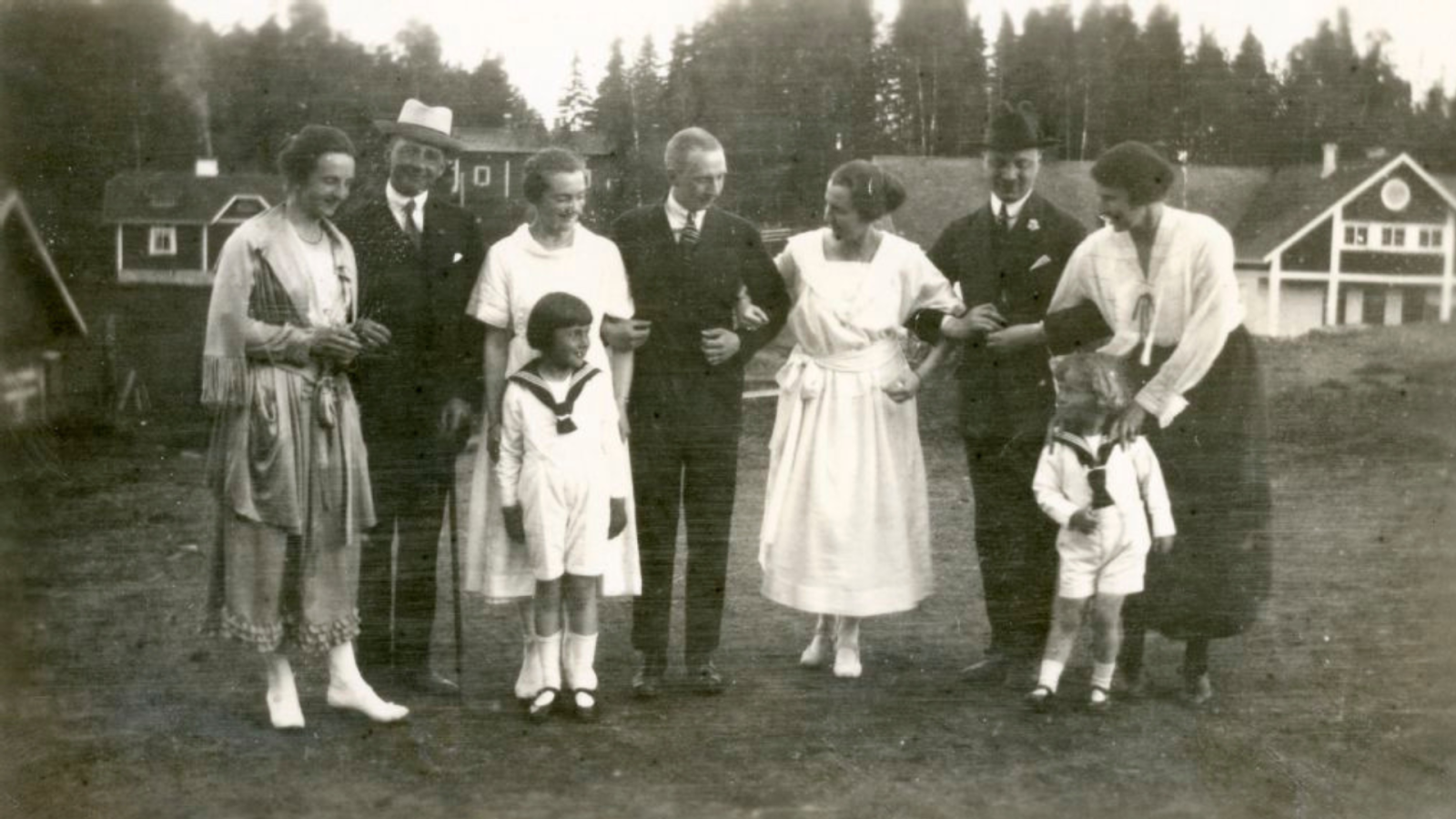
The material tells about the everyday life and leisure time of the manor’s inhabitants over a period of a hundred years. When the mansion and its buildings were bought by the city in 2005, some of the furniture and other objects were included in the sale, some were donated to the museum and some were left to the family of the previous owners.
The collection includes a wealth of furniture, textiles, paintings, household and agricultural objects from different periods. The gems of the collections are the fixed furniture and lighting designed by architect Armas Lindgren as well as their sketches.
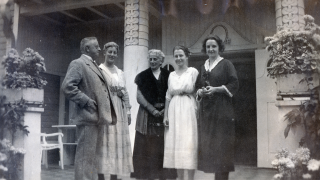
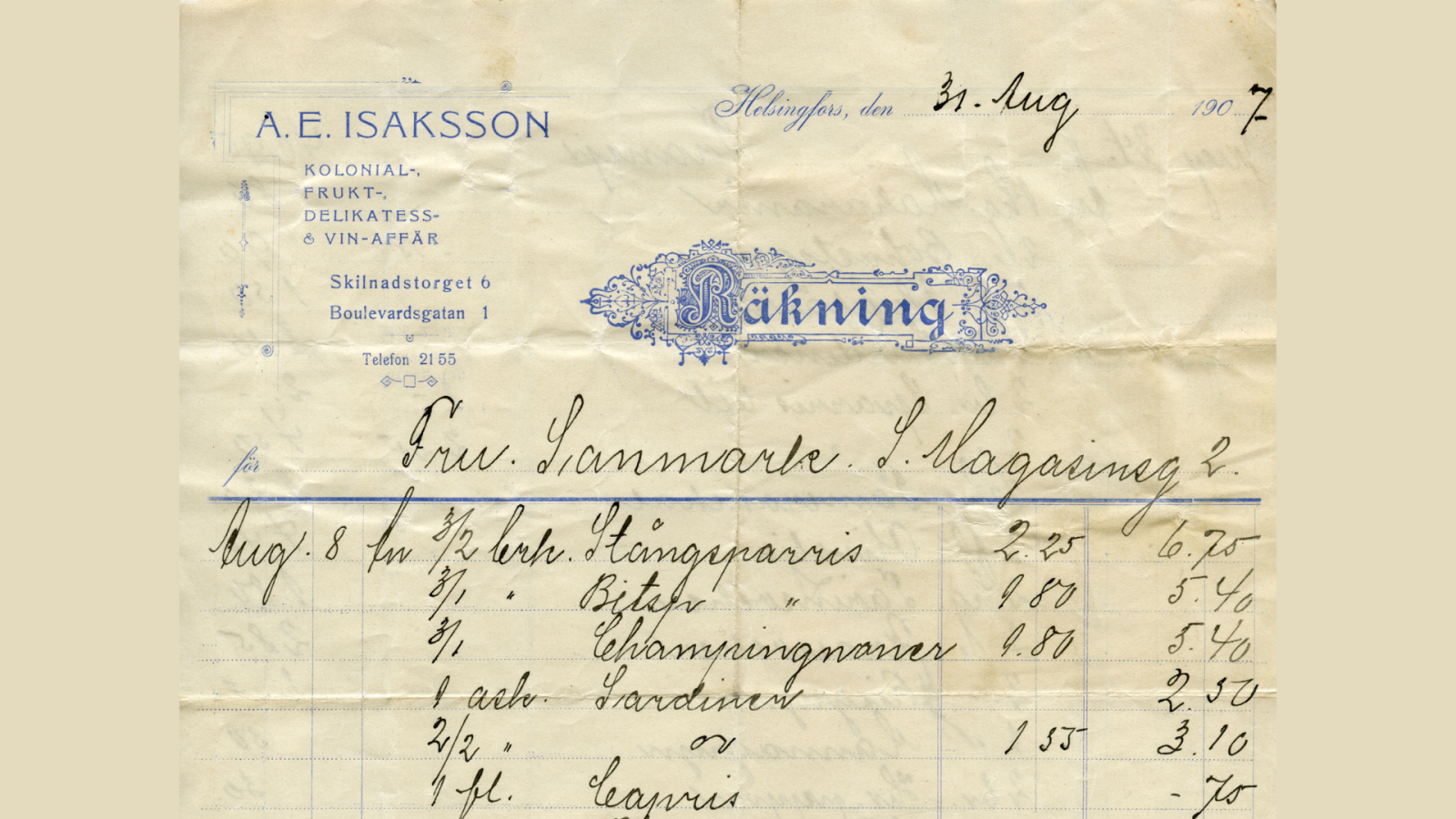
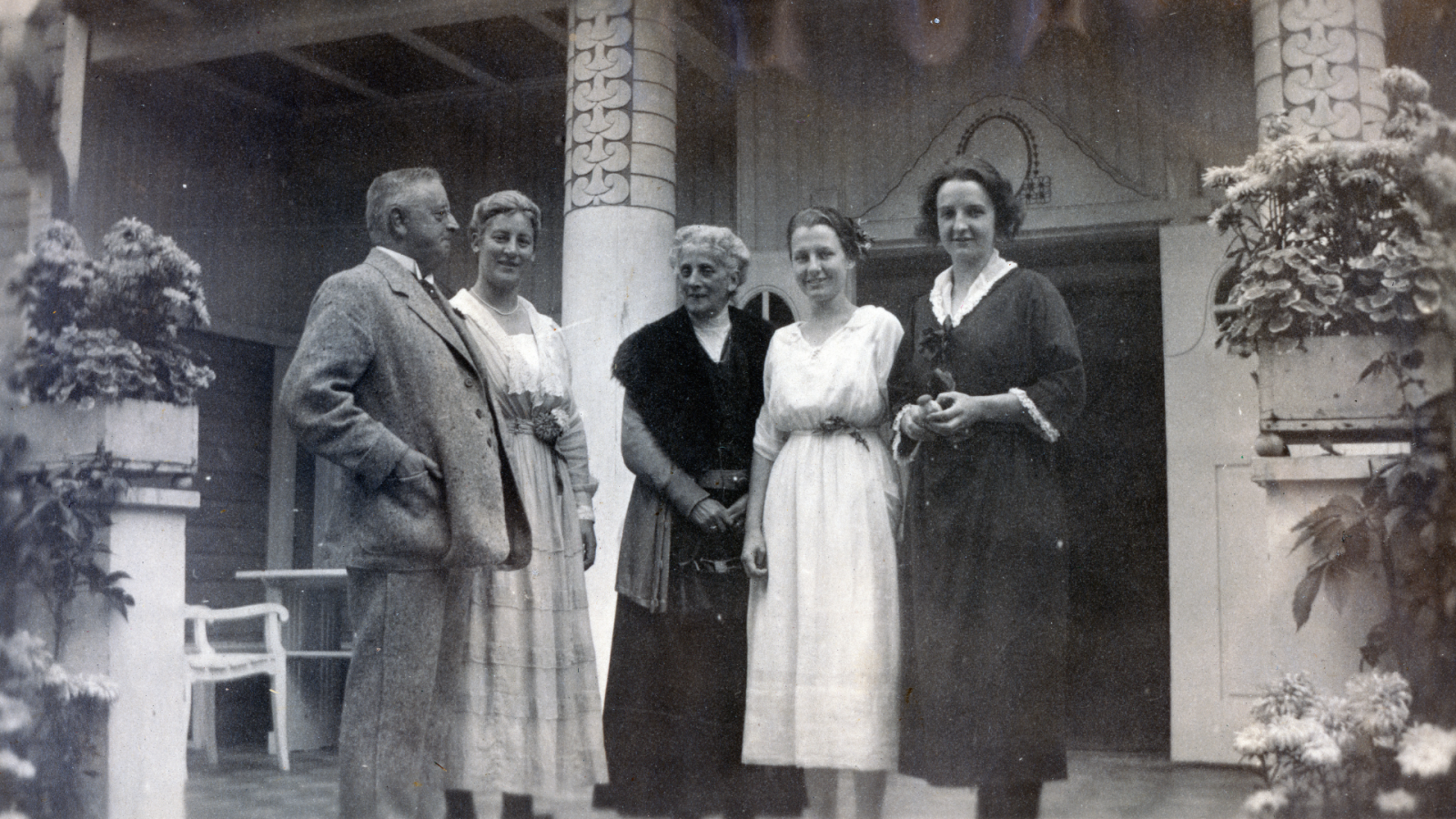
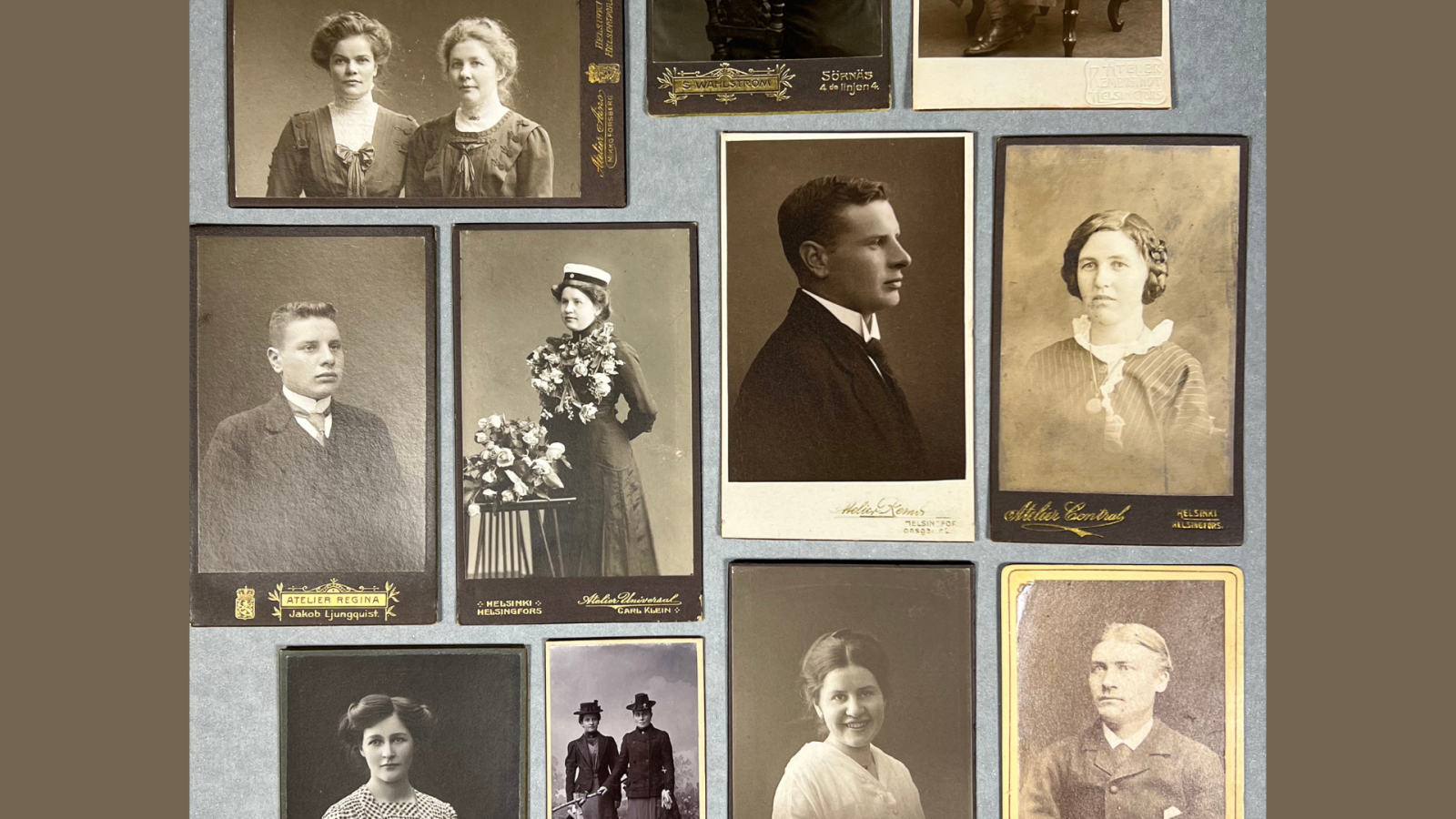
The photo collection consists of the owners’ family photos and photographs documenting the farm. The archival material includes the manor’s account books, maps, drawings and documents from the 1700s onwards. The collection also includes the manor’s library.
Part of the manor collection has been digitised and published on Finna. You can access the Håkansböle collection via the link below.